2026 Top Dental Implant Screwdrivers for Global Buyers

Dental implantology is expanding, and the instruments supporting it deserve closer attention. The World Health Organization’s Global Oral Health Status Report estimates that oral diseases affect nearly 3.5 billion people worldwide. This burden does not directly measure implant demand, but it shows the scale of unmet dental care. Grand View Research valued the global dental implants market at approximately USD 4.6 billion in 2023 and projects continued growth through 2030. Market estimates vary, however. Buyers should question optimistic forecasts.

This 2026 guide to Dental Implant Screwdrivers examines torque control, driver-tip compatibility, sterilization resistance, and ergonomic handling. A driver may look small, yet a loose fit can damage the screw head or interrupt a carefully planned procedure. Dr. Peter Moy has repeatedly emphasized, “Implant dentistry is a prosthetically driven discipline.” That principle applies to instrument selection. The screwdriver must match the implant system, restorative workflow, and clinical environment.

Details matter. A clinician may notice tip wobble under a surgical light, a slippery grip through gloves, or unclear torque markings during a busy appointment. These small problems can create avoidable delays. Still, no single screwdriver suits every global buyer. Connection standards, autoclave protocols, regional availability, and manufacturer instructions differ. Some product claims also sound stronger than the evidence supports. This review therefore compares documented specifications with practical use, while recognizing that field experience is not the same as controlled clinical research.
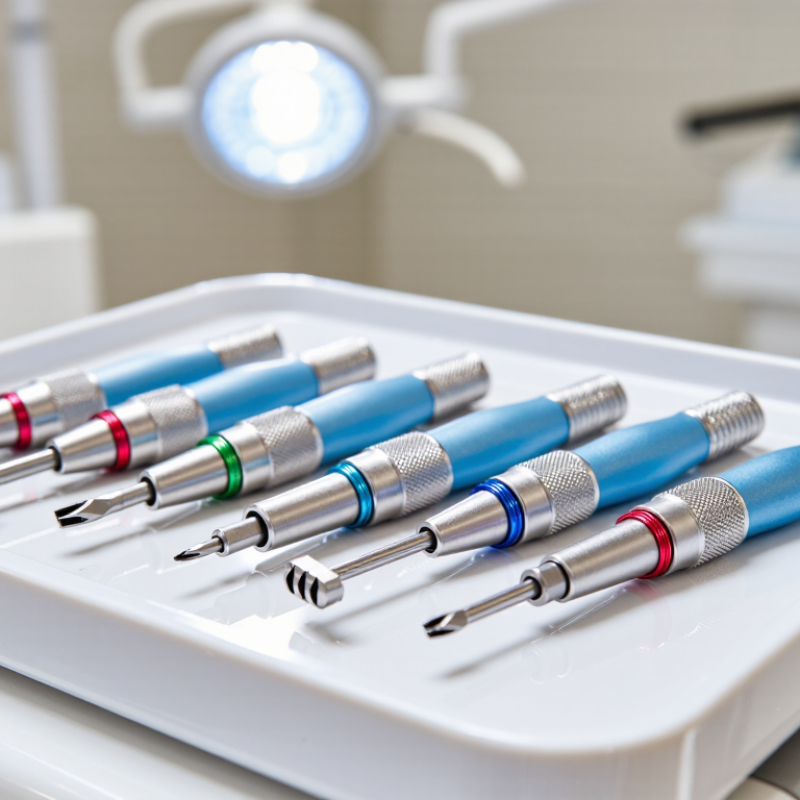
2026 Top Dental Implant Screwdrivers for Global Buyers

Dental Implant Screwdrivers: Definition, Purpose, and Clinical Role

A dental implant screwdriver is a precision instrument used to engage and turn prosthetic or healing component screws. Its tip matches a specific screw recess, such as hexagonal or star-shaped designs. The driver transfers controlled rotational force during implant restoration procedures.

Its purpose is simple, but its clinical role is critical. Clinicians use it to seat, tighten, loosen, or retrieve small screws in restricted oral spaces. A stable handle improves control, while a compatible torque wrench helps achieve the prescribed tightening value. Too little torque may allow movement. Too much torque can damage the screw, connection, or surrounding components.

For global buyers in 2026, selection should include more than tip size. Check dimensional accuracy, surface finish, corrosion resistance, and compatibility with the planned implant system. Reusable instruments also need clear cleaning and sterilization instructions. Traceable documentation supports safer clinical workflows across different facilities.

Small details matter. A driver that feels comfortable in a catalog may feel awkward with gloves. Tip wear is easy to miss. It can increase slipping risk during treatment. Regular inspection should include the tip, shaft, handle, and torque interface. One practical weakness remains: universal drivers may reduce inventory, but they cannot replace exact system compatibility. A careful purchasing decision balances convenience, clinical precision, and verified documentation.

Key Types of Dental Implant Screwdrivers in 2026

2026 Top Dental Implant Screwdrivers for Global Buyers

Key Types of Dental Implant Screwdrivers in 2026

Dental implant screwdrivers generally fall into manual, ratchet-driven, and contra-angle types. Manual drivers provide direct finger control during simple restorative procedures. Ratchet drivers support controlled tightening when limited access makes hand pressure difficult. Contra-angle drivers connect with surgical motors and improve speed during repeated placement steps. Fit matters. The driver tip must match the implant screw recess precisely.

Torque-controlled screwdrivers are increasingly important for predictable clinical work. They may use preset, adjustable, or digitally monitored torque settings. A calibrated ratchet can help reduce over-tightening and screw damage. However, calibration can drift after repeated sterilization or heavy use. That detail is easy to overlook. Clinics should check service records, torque ranges, and sterilization compatibility before purchase.

Global buyers also compare straight and angled shafts, short and extended working lengths, and platform-specific tips. A universal driver sounds efficient, but that assumption needs testing. Small differences in geometry may cause wobbling, poor visibility, or incomplete seating. Experienced teams usually verify the driver against the implant system’s technical documentation. They also inspect tip wear under bright light. Reusing a worn driver may seem economical, yet it can create avoidable clinical uncertainty. Availability of replacement tips and local technical support deserves equal attention.

Essential Features for Comparing Screwdriver Performance

2026 Top Dental Implant Screwdrivers for Global Buyers

Essential Features for Comparing Screwdriver Performance

When comparing dental implant screwdrivers in 2026, performance starts with controlled torque, not appearance. Clinicians should check the stated torque range, accuracy tolerance, and calibration method. A readable scale helps, but it cannot replace verified testing. Small deviations may affect screw seating and procedural consistency. Torque matters most. In practical evaluations, I examine how smoothly the mechanism engages and releases. A sharp click, stable grip, and predictable reset reduce handling uncertainty.

The driver should fit the implant screw precisely, with minimal wobble at the connection. Test samples under clean, dry conditions, then inspect the tip for wear. A loose interface can damage edges or make retrieval harder. Handle geometry also deserves attention. Wet gloves expose weak knurling quickly. Look for balanced weight, tactile control, and enough clearance around the patient’s mouth. Comfort is not cosmetic; fatigue can change hand pressure during lengthy procedures.

For global purchasing, confirm compatibility charts, sterilization instructions, material data, and calibration records. Stainless alloys may resist corrosion, yet repeated heat cycles still require inspection. Ask for traceable quality documents and clear replacement-part policies. Independent verification carries more weight than a polished product sheet. My own comparisons are not flawless; operator technique, cleaning routines, and sample variation can influence results. That limitation should be recorded rather than hidden. A screwdriver that performs well in a bench test may feel different in a busy clinic. Trial use by qualified dental professionals remains valuable before larger procurement decisions.

2026 Top Dental Implant Screwdrivers for Global Buyers - Essential Features for Comparing Screwdriver Performance

Common dental implant torque ranges used as a practical reference when evaluating screwdriver control, readability, and operating coverage.

Torque requirements vary by implant connection, screw design, restorative material, and clinical protocol. A suitable screwdriver should provide clear torque indication, stable output across the required range, interchangeable tips, and compatibility with sterilization procedures. Always confirm the final setting against the implant system’s instructions for use.

How to Select the Right Screwdriver for Global Dental Markets

Choosing the right dental implant screwdriver requires more than comparing prices or catalog photos. Global buyers should match the driver with the implant connection, screw head, and clinical workflow. Hex, star, and square interfaces are not interchangeable. A small mismatch may damage the screw recess or reduce torque accuracy.

Experience matters here. Check the working length, handle shape, and visibility inside the patient’s mouth. A narrow shaft helps in posterior areas, while a textured grip supports controlled movement with gloves. Confirm torque compatibility and calibration requirements. Sterilization instructions should be clear and practical. Repeated heat cycles can affect materials and tolerances. That detail is easy to overlook.

Tips: Request technical drawings, connection dimensions, and sample units before bulk purchasing. Test the screwdriver with the intended screws, not similar-looking parts. Ask for material data, cleaning guidance, and traceable quality records. Verify whether the product supports your region’s clinical and import requirements. Keep these records.

A reliable supplier should explain limitations, not only benefits. Look for consistent machining, smooth engagement, and minimal wobble during testing. Packaging should protect the tip from impact and contamination. I would also compare user feedback from different markets, although reviews can be incomplete. One inspection is never enough. Recheck after sterilization cycles and torque testing. Small defects become expensive when distributed across multiple clinics.

2026 Top Dental Implant Screwdrivers for Global Buyers - How to Select the Right Screwdriver for Global Dental Markets
Driver Category Typical Implant Connection Common Tip Sizes or Profiles Primary Application Typical Torque Use Recommended Shaft Lengths Handle or Interface Key Selection Criteria Global Market Considerations
Manual Hex Driver Internal hex and compatible prosthetic screws 0.9 mm 1.0 mm 1.2 mm 1.25 mm 1.27 mm Hand tightening, impression components, healing abutments, and temporary prosthetic procedures Hand tightening only; not a substitute for calibrated final torque Short: 10–15 mm
Standard: 20–25 mm
Long: 30–40 mm
Ergonomic hand grip or thumb-wheel handle Confirm exact tip geometry, engagement depth, and screw-head compatibility Useful as a universal basic instrument, but connection dimensions are not globally standardized
Torque-Controlled Hex Driver Internal hex prosthetic and abutment screws 1.0 mm 1.2 mm 1.25 mm 1.27 mm Final tightening of abutment, bridge, crown, and prosthetic screws Common instrument ranges: 10–40 N·cm or 10–70 N·cm; use the component manufacturer’s specified value 20–30 mm standard; 35–45 mm for posterior or deep-access areas Detachable bit, preset driver, or adjustable torque wrench Calibration status, clockwise accuracy, reverse function, and bit retention Provide N·cm markings and documentation; avoid assuming that N·cm and N·in are interchangeable
Ball-End Hex Driver Angled access to compatible internal hex screws 1.0 mm 1.2 mm 1.25 mm Limited-access posterior sites and angled prosthetic channels Generally used for access and seating; final torque depends on the approved system and driver design 25–40 mm Ball-end tip with manual handle or torque-wrench shank Check maximum permitted angulation and whether the ball-end is approved for final torque Helpful for varied clinical workflows, but should not be marketed as universally torque-safe
Star-Profile Driver Torx-style or proprietary star-shaped prosthetic screws Small star profile Medium star profile System-specific profile Prosthetic screws designed with star-shaped recesses Often used with torque values within approximately 15–35 N·cm, subject to the specific component instructions 20–30 mm standard; 35–45 mm extended Manual handle, ratchet interface, or calibrated torque wrench Exact lobe geometry, tip engagement, wear resistance, and availability of replacement bits Profile names can be used inconsistently; request dimensional drawings or compatibility samples
Universal Ratchet Driver Interchangeable driver bits for multiple screw profiles Hex Star Slotted System-specific Multi-system clinics, laboratories, maintenance, and distributor kits Manual ratcheting; final torque requires a validated torque-control mechanism 25–40 mm bits; overall tool length commonly 80–120 mm Reversible ratchet handle with replaceable bits Bit locking, reverse control, corrosion resistance, and efficient bit identification Reduces inventory complexity but requires strict separation and labeling of compatible tips
Long-Shank Driver Deep internal connections and posterior access Hex profiles Star profiles System-specific profiles Deep cavities, narrow interocclusal spaces, and posterior restorations Use only within the torque limit specified for the shaft and tip; longer leverage can increase handling risk 35–60 mm working length Manual handle or torque-wrench-compatible shank Shaft rigidity, concentricity, access angle, and resistance to bending Offer several lengths because patient anatomy and restorative design vary by region and case type
Short-Shank Driver Anterior and open-access prosthetic connections 0.9–1.27 mm hex Small star profiles Anterior restorations, limited vertical clearance, and laboratory work Manual seating or use with an approved low-profile torque mechanism 8–20 mm working length Compact handle or short torque-wrench bit Clear visibility, secure finger control, and sufficient tip engagement Compact tools support dense clinical setups and are easier to include in procedure-specific kits
Angled Driver Compatible internal connections requiring off-axis access Hex Star Custom interface Angulated screw channels and restricted line-of-sight procedures Torque capacity must be verified because joints and angled mechanisms can reduce effective performance 25–45 mm working length Fixed-angle or articulated head Angular range, head stability, cleanability, and compatibility with the required torque wrench Best purchased only after confirming the clinical system and permitted angle from the relevant instructions for use
Laboratory Prosthetic Driver Prosthetic screws used during model or digital workflow assembly Hex Star System-specific Framework try-in, analog placement, crown and bridge adjustment, and bench procedures Typically hand-operated; laboratory seating should not replace clinical final torque 15–35 mm Knurled handle, screwdriver handle, or bench ratchet Comfort, replaceable tips, dimensional accuracy, and clear laboratory identification Separate laboratory and clinical instruments to support traceability and infection-control workflows
Modular Torque-Wrench Bit Set Multiple compatible implant and prosthetic interfaces Hex 0.9–1.27 mm Star profiles Extended bits Hospitals, distributors, training centers, and multi-system implant practices Common torque-wrench coverage: approximately 10–40 N·cm; higher ranges require a suitable calibrated instrument 20–45 mm, with optional extension shafts Standardized shank for a compatible torque wrench Bit coding, case organization, calibration support, replacement availability, and cleaning validation Strong choice for global procurement when the kit includes a compatibility matrix and multilingual instructions
Procurement note: Driver dimensions, connection profiles, and recommended tightening torque are not universally standardized across implant systems. Before purchase, verify the exact screw interface, torque value, access length, reusable-device instructions, sterilization parameters, calibration requirements, and applicable regulatory requirements in the destination market. Always follow the relevant component manufacturer’s instructions for use.

Safety, Compatibility, Sterilization, and Maintenance Requirements

2026 Top Dental Implant Screwdrivers for Global Buyers

Safety and compatibility should guide every dental implant screwdriver purchase. The WHO Global Oral Health Status Report 2022 estimates that oral diseases affect nearly 3.5 billion people worldwide. That scale increases the need for dependable surgical instruments. Select drivers with documented material quality, secure tip engagement, and visible wear indicators. Confirm the connection geometry, shaft length, head profile, and torque range against the implant system’s current instructions. A driver that fits loosely may damage the screw or compromise placement accuracy. It can also create avoidable clinical delays.

Sterilization is not an optional feature. The CDC’s Summary of Infection Prevention Practices in Dental Settings classifies instruments entering soft tissue or bone as critical items requiring heat sterilization. Follow the manufacturer’s validated cycle, packaging limits, and drying requirements. ISO 17665 supports controlled moist-heat sterilization processes, while ISO 14971 encourages documented medical-device risk management. Inspect threads, joints, and torque markings after every cycle. Repeated heat, chemicals, and impact can cause hidden deformation. Visual checks alone are imperfect.

Tips: Keep separate drivers for each connection type. Use a calibrated torque wrench, not hand force. Record sterilization cycles and maintenance findings. Replace damaged or resistant drivers immediately. A small tray label can prevent a costly mismatch. Buyers should also request validation documents, material certificates, and cleaning instructions. Some procurement checklists still focus on price first. That deserves reconsideration. The cheapest tool may become expensive after one failed fit or missed maintenance issue.