What is a Bent-axis Motor and How Does it Work?
When exploring advanced engineering concepts, the Bent-axis Motor stands out. This unique type of motor plays a crucial role in various applications. It is commonly used in hydraulic systems and mobile machinery. The design of a Bent-axis Motor is distinct, featuring angled shafts that create efficient motion.
In operation, this motor transforms hydraulic pressure into rotational movement. Its efficiency can vary depending on design and application. Many engineers appreciate its compact size and powerful output. However, challenges exist. The motor’s performance can be inconsistent at times, depending on specifics of the installation. These factors require careful consideration during development.
Understanding how a Bent-axis Motor works can seem complex. Yet, its practical uses are evident in everyday machinery. This makes the study of its operation essential for engineers and technicians alike. Emphasizing the significance of this motor leads to better innovations and improvements in technology.
What is a Bent-axis Motor?
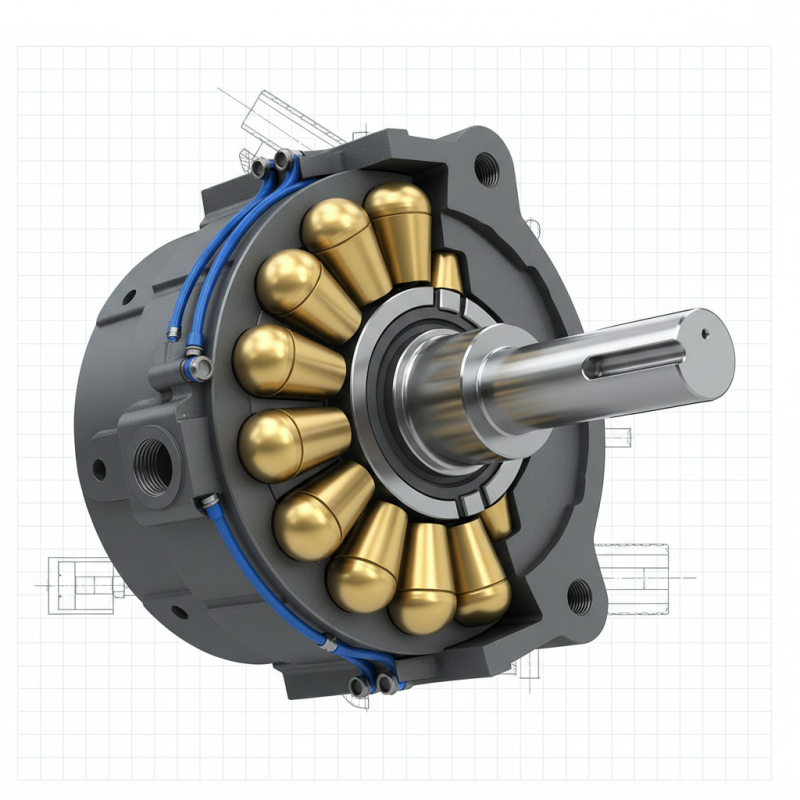
A bent-axis motor is a type of hydraulic motor. It converts hydraulic energy into mechanical energy. These motors are widely used in heavy machinery and mobile equipment. They are known for their efficiency and compact design. The bent-axis configuration allows for a smaller footprint. This makes them suitable for tight spaces.
The key feature of a bent-axis motor is its angled cylinder arrangement. The pistons are arranged at an angle to the drive shaft. This design allows for greater torque at lower speeds. However, it can also lead to wear and tear if not maintained properly. Regular maintenance is essential. Otherwise, performance may drop unexpectedly.
These motors excel in high-power applications. They are used in environments requiring durability. However, they may struggle in low-speed applications. This can be a limiting factor. Users should consider their specific needs. Choosing the right type of motor is crucial for success. There's always room for improvement in design and efficiency.
Bent-axis Motor Performance Data
This chart illustrates the performance metrics of a bent-axis motor, showcasing key parameters such as torque, speed, efficiency, and power. The values represent typical performance characteristics, providing a visual understanding of how the motor operates in various conditions.
Key Components of Bent-axis Motors
Bent-axis motors are unique in their construction and operation. They primarily consist of three key components: the rotor, the swash plate, and the hydraulic system. Each part plays a crucial role in the motor's functionality.
The rotor is where the action happens. It features angled cylinders that connect with the swash plate. This plate tilts as the rotor spins, creating movement. The hydraulic system enables fluid transfer, allowing pressure variations to generate torque. It's interesting how these elements work in harmony. However, issues can arise if components wear out or become misaligned. Regular maintenance is essential to prevent breakdowns.
When observing these motors in action, one might notice vibrations and noise. These signs often indicate that adjustments are needed. In your setup, clearances and tolerances are vital. Ignoring this can lead to decreased efficiency. Understanding these components provides insight into the reliability of bent-axis motors. Fixing potential flaws can ultimately enhance performance.
What is a Bent-axis Motor and How Does it Work? - Key Components of Bent-axis Motors
| Component | Description | Function |
| Swash Plate | An inclined plate that changes the angle of the pistons. | Translates the rotary motion into linear motion, allowing for variable displacement. |
| Pistons | Cylindrical components that move in and out of cylinders based on swash plate angle. | Convert hydraulic energy into mechanical energy. |
| Cylinder Block | The housing that contains the pistons and is part of the power unit. | Houses the pistons and supports the pumping action. |
| Drive Shaft | Rotational component connected to the motor’s output. | Transfers the mechanical energy produced by the motor to the application. |
| Seals | Materials used to prevent leakage of hydraulic fluid. | Ensure efficient operation by maintaining pressure within the system. |
Principle of Operation for Bent-axis Motors
Bent-axis motors are a unique type of hydraulic motor that operate based on a specific principle of movement. The design features an axis that is angled rather than laid flat. This structure allows the motor to create torque efficiently. It relies on the hydraulic pressure acting on pistons to initiate motion. Each piston slides in and out as the motor rotates.
The principle of operation is relatively straightforward, yet it requires careful design considerations. As hydraulic fluid enters the chamber, it pushes the pistons, converting hydraulic energy into mechanical motion. The angle of the axis influences the efficiency and output power of the motor. If the angle isn't correct, the motor may not function properly. This design aspect often leads to reflections on efficiency and performance.
Moreover, the bent-axis design can allow for a more compact motor, which benefits space-constrained applications. However, it's worth considering the trade-offs. Manufacturing complexity can increase due to the precision required. A motor that works flawlessly in one condition may falter under different hydraulic pressures. This unpredictability highlights the need for thorough testing and adaptation in various scenarios.
Advantages of Bent-axis Motors Over Other Designs
Bent-axis motors offer several advantages over traditional motor designs. One significant benefit is their high efficiency. These motors can achieve better performance by optimizing the angle of the shaft. This allows them to convert hydraulic energy into mechanical work effectively. Consequently, they operate smoothly, reducing energy loss in the process.
Another notable advantage is their compact size. Bent-axis motors often require less space than other types. This makes them suitable for applications where design constraints are present. Their simplicity in construction also contributes to reliability. Fewer components usually mean less chance of failure. However, it’s essential to evaluate the integration of these motors into existing systems. Some setups may require adjustments that could complicate installation.
Maintenance of bent-axis motors can be straightforward, yet it needs careful attention. The unique design can lead to issues if not monitored regularly. Identifying wear and tear before it escalates is vital. Overall, while these motors have distinct advantages, challenges can arise. Understanding both aspects ensures an informed choice for applications.
Applications and Industries Utilizing Bent-axis Motors
Bent-axis motors are increasingly popular in various industries due to their unique design and efficiency. These motors excel in applications requiring high torque and compact size. You can find them in construction machinery, robotics, and agricultural equipment. Their ability to handle high pressure is a significant advantage.
Tips: When selecting a bent-axis motor, consider the application requirements carefully. Ensure it aligns well with your operational goals.
In hydraulics, bent-axis motors offer precision control. They are used in mobile equipment where space is limited. These motors can also be found in aerospace technology, where reliability is crucial. However, maintenance can become a concern. Remember that regular service checks are essential for longevity.
Tips: Don’t neglect routine maintenance. It prevents unexpected failures and can save costs in the long run.
Bent-axis motors also play a role in renewable energy systems, like wind turbines. They help convert mechanical energy into electrical energy efficiently. Yet, understanding the specific needs for each application is vital. Sometimes, the wrong motor can lead to underperformance, requiring careful evaluation.

