Best China Vertical Machining Center Manufacturers?

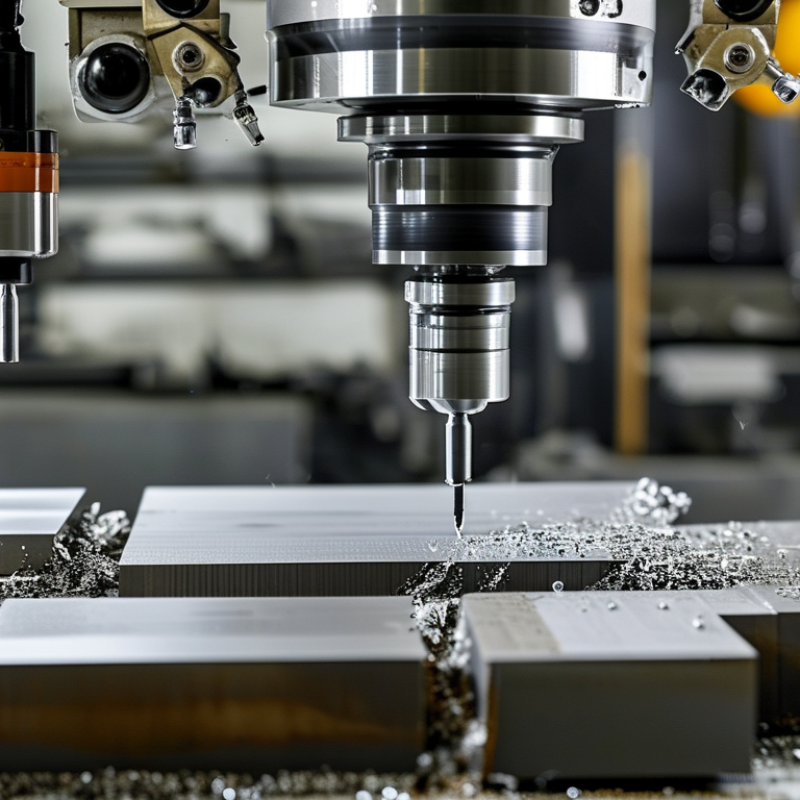
Choosing among the best China Vertical Machining Center manufacturers requires more than comparing prices or catalog photos. A reliable evaluation examines spindle speed, machine rigidity, guideway design, control systems, accuracy testing, service response, and long-term parts availability. These details become visible on the shop floor. Watch the machine cut steel, inspect the surface finish, and ask how calibration is documented.

Dr. Tony Schmitz, a recognized machining dynamics researcher, often emphasizes a core principle: “A stable cutting process is the foundation of productive machining.” That idea matters when comparing a Vertical Machining Center for molds, automotive parts, aerospace components, or general production. High speed alone proves little. A fast spindle can still produce vibration, poor finishes, and expensive tool wear.

The strongest manufacturers usually provide measurable evidence. Look for repeatability data, ball-bar testing, thermal compensation methods, and sample workpieces made from comparable materials. Ask about factory acceptance testing. Also ask uncomfortable questions. How quickly are critical components replaced? Who supports the control system after installation? Can the supplier provide references from similar factories?

No single manufacturer is best for every buyer. That is the difficult part. One factory may offer excellent accuracy, while another provides better automation support. Some specifications look impressive but lack independent verification. This review compares leading Chinese manufacturers through practical performance, engineering depth, quality consistency, and customer support. The final choice should fit the production process, not merely the purchasing budget.
Best China Vertical Machining Center Manufacturers?

What Defines a China Vertical Machining Center Manufacturer?

A China vertical machining center manufacturer is defined by more than a competitive price. Real manufacturing experience appears in machine details: rigid castings, stable spindle assemblies, accurate guideways, and clean cable routing. A serious factory should explain these choices clearly. It should also provide measured results, not only attractive specifications.

Professional capability depends on repeatable production. Look for documented inspections during casting, machining, assembly, and final testing. Useful evidence includes spindle runout reports, positioning accuracy records, ball-bar results, and sample machining videos. Independent calibration equipment strengthens credibility. So does traceability for major components. Ask how the manufacturer controls temperature, vibration, and assembly skill.

Service reveals reliability after delivery. A capable manufacturer offers installation guidance, operator training, spare-parts planning, and practical troubleshooting. Response times should be written into the agreement. Factory visits can expose useful details, such as floor cleanliness, test cuts, and unfinished improvement projects. No factory is flawless. That matters. A trustworthy supplier admits limitations and explains corrective actions. Some technical claims may also change under different materials, tools, and cutting conditions. Buyers should request application tests using comparable workpieces. This creates a more honest basis for judging machine performance, long-term support, and manufacturing competence.

How Do Chinese VMCs Compare at 8,000–12,000 rpm and ±0.005 mm Accuracy?

Chinese vertical machining center manufacturers are increasingly competitive in the 8,000–12,000 rpm range. This speed suits aluminum parts, mold components, and general steel work. A higher rpm alone proves little. Spindle balance, bearing preload, taper cleanliness, and vibration control matter more during long cycles.

A practical comparison should measure positioning repeatability and cutting accuracy separately. The ±0.005 mm figure may describe positioning under controlled conditions, not every finished part. Shops should inspect a test piece after warm-up, then repeat the cycle several times. Check bore size, surface finish, corner transitions, and thermal drift. Ball screws, linear guides, probing systems, and machine calibration strongly affect the result.

At 8,000 rpm, many machines offer stable cutting with moderate tooling. Around 12,000 rpm, heat and vibration become harder to manage. Cooling design becomes important. So does spindle recovery after sudden load changes. I would request test data, but I would not trust a certificate alone. Cutting conditions, tool wear, material, and operator skill can change the outcome. Service response also deserves measurement. A technically capable factory may still provide uneven documentation or slow troubleshooting. That weakness is easy to overlook during a factory visit. Expect variation. A serious buyer should compare identical programs, tools, materials, and inspection methods before selecting a supplier.

Which Chinese VMC Manufacturers Serve Automotive, Aerospace, and Moldmaking?

Chinese vertical machining center manufacturers serve automotive, aerospace, and moldmaking companies with different machine priorities. Automotive plants often need rigid VMCs for aluminum housings, brackets, and repeat production. Short tool-change times matter here. Aerospace workshops usually require stable thermal control, accurate probing, and verified five-axis capability. Moldmakers look for high-speed spindles, smooth interpolation, and careful surface finishing on hardened steel.

In supplier evaluations, I examine machine castings, guideway protection, spindle specifications, and control-system access. These details reveal more than a polished showroom demonstration. Ask for cutting samples using materials similar to your own parts. A moldmaking trial should show corner accuracy and surface consistency. An aerospace trial should include inspection records, traceability, and repeatability data. Automotive buyers should review cycle-time evidence under continuous production conditions.

Documentation is important. Request quality certifications, factory acceptance procedures, warranty terms, and local service arrangements. Qualified manufacturers should explain calibration methods without hiding behind vague claims. Some suppliers offer excellent machining performance but weaker after-sales support. That risk deserves attention. I have also seen buyers overvalue spindle speed while ignoring rigidity and chip evacuation. A faster spindle is not always better. Visit the production floor if possible, and inspect assembly cleanliness, testing routines, and spare-parts planning. Supplier claims still need independent verification, especially when tolerances are tight and downtime is expensive.

Best China Vertical Machining Center Manufacturers

Typical VMC capability benchmarks for the automotive, aerospace, and moldmaking sectors. Values reflect common machine-specification ranges used in the Chinese VMC market and are not company-specific data.

Automotive production commonly prioritizes balanced speed and throughput, aerospace machining requires higher spindle performance for lightweight alloys, and moldmaking typically favors high-speed spindles for complex surfaces and fine finishes.

How Can Buyers Verify ISO 9001, ISO 230-2, and CNC Performance Data?

A reliable vertical machining center supplier must prove more than a polished brochure. Buyers should request the current ISO 9001 certificate, issuing body, certificate number, scope, and expiration date. Verify these details through the certification body or IAF CertSearch. The ISO Survey 2022 reported 1,265,216 ISO 9001 certificates across 188 countries. That volume shows adoption, not automatic competence. A certificate may cover factory management, not every machining process.

ISO 230-2 testing needs closer inspection. Ask for the complete test report, machine serial number, test date, environmental conditions, measuring equipment, and acceptance criteria. The report should identify positioning accuracy and repeatability for each tested axis. Request raw measurement data, not only a favorable summary. Compare the declared results with your part tolerances and planned cutting envelope. In practice, I have seen buyers accept impressive figures without checking thermal conditions. That was a costly assumption. ISO 230-2 data also describes tested conditions, not permanent performance under every load.

Tips: Witness a repeatability test when possible. Confirm laser calibration traceability and calibration dates. Run your own sample program using demanding pockets, holes, and contour moves. Check spindle speed stability, tool-change time, surface finish, and dimensional drift after warm-up. Ask for controller response, backlash compensation, and maintenance records. Industry measurement guidance from NIST stresses traceability, uncertainty, and repeatable procedures. However, suppliers may provide incomplete evidence. That weakness deserves a written explanation before purchase.

How Should China VMC Manufacturers Be Ranked by TCO and Service Coverage?

Best China Vertical Machining Center Manufacturers?

Ranking China VMC manufacturers by purchase price alone creates a misleading picture. Total cost of ownership should include machine price, installation, tooling, energy, maintenance, downtime, training, and resale value.

The U.S. Department of Energy reports that predictive maintenance can reduce maintenance costs by 25–30% and unplanned downtime by 35–45%. These figures make service capability financially important, not merely convenient.

A practical ranking should score technical response time, spare-parts availability, remote diagnostics, local engineers, warranty clarity, and operator training. Service coverage must be measured by evidence. Ask for average response hours, critical-part fill rates, and documented customer references in your region.

The International Federation of Robotics reported 276,288 industrial robots installed in China during 2023, representing 51% of global installations.

This supports a strong industrial service ecosystem, but it does not guarantee excellent VMC support.

Look beyond the showroom.

A supplier with a lower quotation may create higher costs through slow troubleshooting or incompatible replacement parts. Compare five-year TCO using identical production assumptions, including spindle repairs and electricity. Energy costs matter more in high-cycle machining.

A manufacturer should provide test-cut records, accuracy data, maintenance schedules, and software support terms. Some rankings still rely on vague factory size claims. That is a weakness.

Service promises also need independent verification, because coverage may vary sharply between coastal and inland regions. EPA and DOE lifecycle guidance further supports evaluating energy and maintenance performance together, rather than treating them as separate purchasing issues.