What Is the Best Natural Gas Steam Boiler in 2026?
Choosing the best Natural Gas Steam Boiler in 2026 is not a matter of selecting the highest efficiency figure. The right model must match the building’s steam demand, operating pressure, and return-water conditions. A boiler running steadily in a hospital has different needs from one serving a workshop with sharp morning peaks. Small details matter: burner turndown, controls, service access, and the space available for installation.
The International Energy Agency’s Energy Efficiency 2024 report estimated that global energy-intensity improvement would reach about 1% in 2024, below the pace needed for stronger efficiency gains. That figure is not boiler-specific, but it underscores why measured performance matters. IEA Executive Director Fatih Birol has described energy efficiency as “the first fuel.” For boiler buyers, that principle starts with right-sizing, not simply buying a larger unit. Still, efficiency labels alone can mislead; actual results depend on load, maintenance, and system design.
This guide compares what buyers should verify in 2026: certified efficiency, steam output, pressure range, emissions data, controls, warranty terms, and local service support. It also considers lifecycle costs, since fuel use and maintenance can outweigh a lower purchase price. No model is best for every site. And specifications can look cleaner on paper than they do in a crowded boiler room. The goal is a defensible shortlist, grounded in manufacturer documentation and independent standards—not a universal winner.
What Is a Natural Gas Steam Boiler and How Does It Work?
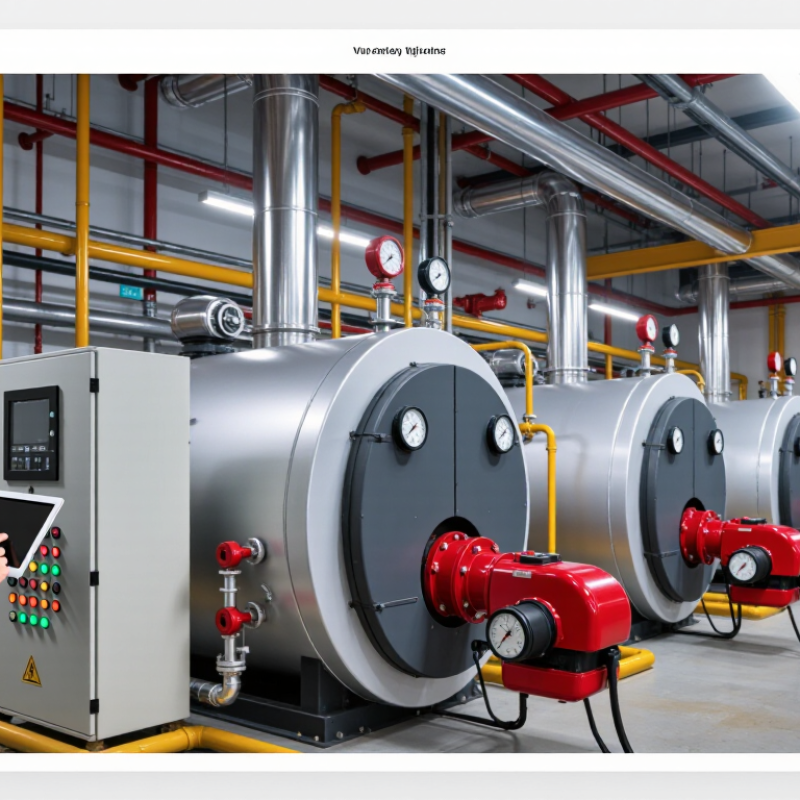
A natural gas steam boiler burns gas to heat water inside a pressure-rated vessel. The burner mixes gas with air, and hot combustion gases pass across heat-transfer surfaces around the vessel. As the water absorbs heat, it boils and steam collects above the waterline. Simple, but not effortless.
Steam pressure moves the vapor through pipes to radiators or connected equipment. When steam releases heat, it cools and condenses back into water. That condensate flows through return lines to the boiler, where the cycle begins again. A pressure control switches the burner on and off, while a gauge helps an operator monitor system pressure. A sight glass also shows the boiler’s water level; it is a small detail with real importance.
The system’s performance depends on correct sizing, clean water, sound piping, and properly adjusted combustion. Flue gases must leave through a suitable vent, and a qualified technician should check controls, leaks, and burner operation. Real systems can be less tidy than diagrams suggest: old pipes may knock, and trapped air or poor returns can cause uneven heating. Those symptoms deserve investigation, not guesswork. Regular maintenance helps identify problems before they affect comfort or reliability.
Which Boiler Types and Designs Are Available in 2026?
In 2026, the best natural gas steam boiler depends on load swings, pressure, and available space. The U.S. Department of Energy’s Steam System Sourcebook estimates that steam production uses about 37% of fossil fuel consumed by U.S. industry. That makes boiler selection and operating hours matter.
Fire-tube designs suit many steady, lower-pressure duties; hot gases pass through tubes surrounded by water. Water-tube units send water through tubes and are commonly considered for higher pressures or larger, changing loads. Fit matters.
Packaged boilers arrive assembled, while field-erected systems can suit larger plants with room for installation. Modular units divide output among smaller boilers, which can help match demand during quiet shifts. Once-through designs heat water rapidly and may suit variable loads, but controls and water quality need careful attention. Not every site benefits.
The U.S. Energy Information Administration’s 2018 Manufacturing Energy Consumption Survey identifies natural gas as a major manufacturing fuel; it does not, however, prescribe a boiler type. For a real comparison, check documented steam demand, turndown, pressure, emissions, and service access.
A neat efficiency figure alone can mislead. Boiler performance depends on actual operating conditions, and estimates deserve verification against site measurements.
How Should Efficiency and Steam Output Be Compared?
What Is the Best Natural Gas Steam Boiler in 2026?
How Should Efficiency and Steam Output Be Compared?
A useful comparison starts with equal test conditions, not headline efficiency claims. Check whether each figure uses higher or lower heating value, then compare boilers at the same steam pressure, feedwater temperature, and firing rate. The U.S. Department of Energy’s Improving Steam System Performance: A Sourcebook for Industry estimates that steam systems account for about 30% of manufacturing energy use. That makes small efficiency gaps worth checking carefully. Yet a boiler’s rated efficiency does not capture distribution losses, blowdown, or heat lost while idling.
For steam output, compare pounds per hour at the pressure your process actually needs. A unit’s maximum rating may look impressive, but it matters less if demand usually sits far below that level. Review its stable operating range, response to peak loads, and steam quality. Ask for test results at realistic loads; a single full-fire figure can flatter performance. I would also check how the supplier defines “efficiency.” The comparison is not always perfectly tidy.
Tip: Request a written performance curve showing fuel input and steam output across several firing rates. Confirm the feedwater conditions and test method, and compare like with like. If your demand changes by shift, log pressure and steam use before choosing capacity. Small details matter.
What Safety, Emissions, and Maintenance Factors Matter?
What Is the Best Natural Gas Steam Boiler in 2026?
The best boiler is not simply the one with the highest efficiency rating. Safety controls, measured emissions, and service access matter in daily operation. The U.S. Energy Information Administration reports that burning natural gas releases about 117 pounds of carbon dioxide per million Btu. That is lower than coal, but it is not zero. Ask for documented combustion-test results at realistic operating loads, not just a peak-efficiency figure. EPA’s AP-42 guidance also notes that nitrogen oxide emissions vary with burner design and operating conditions.
A safe steam system needs functioning flame safeguards, low-water cutoffs, pressure controls, and a correctly maintained fuel train. NFPA 85 provides combustion-safety guidance for covered boiler systems; confirm which requirements apply to the specific installation. During service, a technician should check for leaks, inspect the burner and heat-transfer surfaces, and verify safety-device operation. Scale on the water side can impair heat transfer, while poor combustion can produce elevated carbon monoxide. Small warning signs matter. A flickering flame or repeated lockout deserves attention, not a reset-and-forget response.
Tips: Keep a dated log of water treatment, inspections, combustion readings, and repairs. Ask the service technician to explain unusual readings in plain language. One thing is easy to miss: maintenance intervals depend on water quality, firing hours, and local requirements, so a generic annual checklist may not be enough.
| Selection Factor | Useful Data or Benchmark | What to Check When Comparing Boilers | Why It Matters |
|---|---|---|---|
| Boiler type and application | Steam boilers may be fire-tube or water-tube designs. Low-pressure steam heating systems commonly operate at or below 15 psig; process systems may require higher pressures. | Match the boiler design and pressure rating to the system’s documented peak steam demand and operating pressure. | A boiler that is oversized, undersized, or rated for the wrong pressure can cycle poorly, waste fuel, or create unsafe operating conditions. |
| Output and sizing | Compare net steam output or equivalent capacity, not just burner input. Capacity should be stated in consistent units, such as lb/h of steam, Btu/h, or boiler horsepower. | Use a load calculation that accounts for connected equipment, simultaneous demand, piping losses, and expected future loads. | Correct sizing helps maintain stable pressure and reduces short cycling, which can increase wear and fuel use. |
| Combustion efficiency | Efficiency figures depend on the test method, firing rate, feedwater temperature, and whether standby and distribution losses are included. | Request the applicable certified rating and test conditions. Compare like-for-like figures rather than relying on an unqualified “up to” efficiency claim. | A clear rating makes comparisons meaningful and helps avoid confusing combustion efficiency with overall seasonal system efficiency. |
| Natural-gas CO₂ emissions | EPA’s default carbon dioxide factor for natural gas combustion is approximately 53.06 kg CO₂ per MMBtu of fuel input (about 117 lb/MMBtu). | Estimate annual fuel use from the expected operating load, then apply the relevant emissions factor. Actual emissions depend on fuel consumption. | Lower fuel consumption generally means lower direct CO₂ emissions; this factor does not include upstream fuel production or delivery. |
| NOx emissions | There is no single NOx limit that applies to every boiler. Requirements vary by jurisdiction, boiler size, installation date, fuel, and local air-quality rules. | Compare certified NOx data at the same oxygen correction and load conditions. Confirm the local permit limit and whether a low-NOx burner or flue-gas treatment is required. | NOx contributes to ground-level ozone and is regulated differently across locations; a product’s marketing label alone does not establish compliance. |
| Pressure protection | A properly selected pressure-relief valve must be rated for the boiler’s allowable working pressure and discharge capacity. | Verify the pressure rating, capacity, installation, discharge piping, and inspection requirements against the boiler documentation and applicable code. | Relief protection limits dangerous overpressure. The valve must not be isolated from the boiler by a shutoff valve. |
| Low-water protection | Steam boilers require reliable protection against firing with inadequate water. The control arrangement and any required secondary cutoff depend on the boiler and applicable code. | Check for suitable low-water cutoff controls, accessible test functions, and a documented inspection and blowdown procedure. | Low water can expose heated surfaces and lead to severe equipment damage or a hazardous failure. |
| Burner and flame safety | Gas-fired equipment uses safety controls such as flame supervision and automatic fuel shutoff; the exact safeguards depend on the burner and installation. | Confirm approved burner controls, gas-train components, ignition safeguards, and commissioning by a qualified technician. | Correct flame supervision and fuel shutoff help reduce the risk of unburned gas accumulation and unsafe combustion. |
| Venting and combustion air | Venting material, sizing, termination, and combustion-air provisions must follow the boiler instructions and local fuel-gas and mechanical codes. | Verify vent compatibility, clearances, slope where required, termination location, and adequate combustion air for the installed room or enclosure. | Incorrect venting can cause flue-gas leakage, poor draft, combustion problems, or carbon monoxide exposure. |
| Carbon monoxide protection | Carbon monoxide is odorless. Proper installation, combustion testing, vent inspection, and appropriately placed CO alarms are important safeguards. | Have a qualified professional measure combustion and check for flue-gas leakage during commissioning and service. Follow local requirements for CO alarms. | Alarms are a backup, not a substitute for maintaining the boiler and vent system. |
| Feedwater quality and treatment | Makeup water introduces dissolved minerals and oxygen. Treatment needs depend on feedwater chemistry, condensate return, pressure, and system materials. | Ask for a water-testing and treatment plan covering hardness, dissolved solids, oxygen control, blowdown, and condensate return where applicable. | Scale and corrosion reduce heat transfer, raise fuel use, and shorten boiler life. |
| Routine maintenance | Service frequency depends on operating hours, water quality, fuel conditions, and local rules. Safety controls and low-water devices need periodic testing. | Check that the manual provides clear inspection, cleaning, burner-tuning, control-testing, and recordkeeping procedures. | Regular service helps identify leaks, deposits, combustion drift, and control faults before they cause downtime or unsafe operation. |
| Controls and turndown | Burner turndown is the ratio between maximum and minimum stable firing rates; actual values vary by burner and configuration. | Compare the documented turndown ratio, staging or modulation controls, pressure control, and compatibility with the building automation system. | Good control matching can reduce frequent starts and improve performance when steam demand varies. |
| Code, certification, and commissioning | Applicable requirements can include ASME boiler construction rules, local boiler codes, fuel-gas codes, and emissions permits. The correct rules depend on jurisdiction and service. | Confirm the required construction certification, local approvals, inspection schedule, permit conditions, and commissioning documentation before purchase. | Compliance and professional commissioning are essential to safe operation and may be required for insurance or legal approval. |
Comparison note: No single boiler is best for every application. Confirm current local codes, permit limits, certified ratings, and installation requirements with the authority having jurisdiction and a qualified boiler professional.
How Can Buyers Match a Boiler to Their Facility?
Choosing a natural gas steam boiler starts with the facility, not a catalog rating. Review at least a year of fuel bills, steam-pressure records, and production schedules. Compare measured peak demand with typical operating hours. A boiler sized only for the busiest day may cycle inefficiently during quieter months. Measure before choosing.
Match required steam pressure and temperature to the process equipment, then check whether demand changes sharply between shifts. A food plant’s washdown peaks differ from a school’s winter heating load. Ask a qualified engineer to verify the load calculation and inspect condensate return, piping losses, and water treatment. These details affect capacity, reliability, and fuel use. A nameplate is not enough.
Check gas pressure, venting, room clearance, electrical service, and access for cleaning and maintenance. Compare performance at expected part-load conditions, not only peak efficiency. Suitable turndown may reduce needless starts. Confirm emissions and installation requirements with qualified local professionals. Leave room for realistic expansion, but avoid oversized capacity “just in case.” Forecasts can be wrong, and that uncertainty deserves a practical contingency plan.