How to Choose the Best Prefab Container House for Your Needs?
Choosing the right Prefab Container House for your needs can be a daunting task. With so many options available, it’s essential to consider several factors. A prefab container house offers flexibility and affordability, perfect for varying lifestyles. Yet, not all models fit every purpose.
Begin by assessing your space requirements. Think about how many rooms and what layout you desire. Also, consider additional features such as insulation, plumbing, and electrical systems. The quality of materials is crucial, too. A sturdy foundation can make a significant difference in longevity.
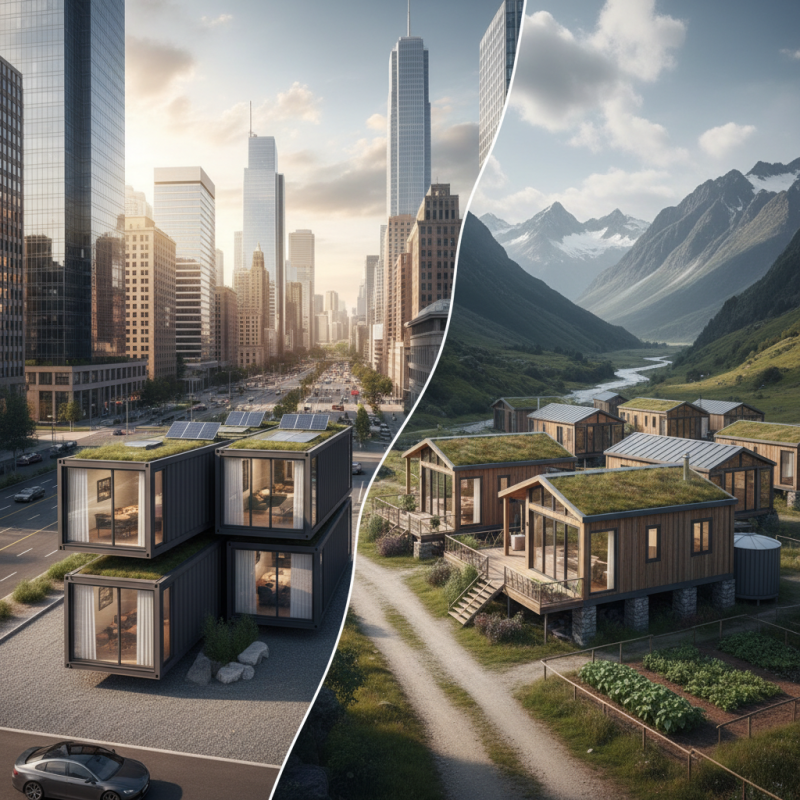
Understand that not every prefab container house is ideal for every location. Some designs may work well in urban settings, while others shine in rural areas. Reflect on the climate and any zoning laws that may apply. Your needs may evolve over time—make choices that allow for future adaptability.
Understanding Prefab Container Houses: An Overview
Prefab container houses have risen in popularity due to their efficiency and versatility. These structures are prefabricated, allowing them to be built quickly and with reduced waste. According to a 2022 market report, the global prefab housing market is expected to reach $177 billion by 2026, growing at a rate of 5.4% annually. This growth signifies a shift towards innovative building solutions that are cost-effective.
Understanding prefab container houses requires recognizing their components. Typically, they use repurposed shipping containers, ensuring durability. For instance, a standard 20-foot container can provide about 160 square feet of living space. However, it’s crucial to note that insulation and ventilation can be challenging. A poorly insulated container can lead to significant heating and cooling issues. Many buyers overlook this aspect, which may lead to discomfort.
Design flexibility is another appealing feature. You can modify these containers into homes, offices, or studios. However, navigating local zoning regulations can be tough. Some regions may have strict rules regarding the placement of such structures. Potential homeowners must do their research to avoid costly mistakes. Engaging with professionals early in the process can mitigate these challenges.
Key Considerations for Selecting the Right Size and Layout
When selecting the right size and layout for a prefab container house, think about your specific needs. Space requirements are crucial. Do you need extra rooms or just a simple layout? Consider your lifestyle and how many people will inhabit the house. For example, a family may require more bedrooms and communal space. A single occupant may prefer a compact studio design.
The layout affects flow and functionality. Open floor plans create a spacious feel but might lack privacy. Walls can help separate living areas but may make the space seem smaller. Consider furniture arrangements when choosing. Furniture size and placement impact how roomy the container feels.
Reflect on natural light and ventilation as well. Windows add warmth and comfort. However, the more windows you have, the more attention you need to give to insulation. An oversized house may look appealing but could lead to higher heating costs. Think practically when making decisions about size and layout. Balance aesthetics with functionality to create a welcoming and livable space.
Size and Layout Considerations for Prefab Container Houses
Assessing Material Quality and Insulation Features
When choosing a prefab container house, material quality is crucial. Metal frames are popular for their durability. However, not all steel is the same. According to a 2022 report by the Institute of Steel Construction, high-tensile strength steel improves longevity by up to 30%. Look for corrosion-resistant coatings to enhance weather resilience.
Insulation is another key feature. Poor insulation can lead to high energy bills. A study by the Energy Efficiency Institute found that homes with high-quality insulation can reduce heating and cooling costs by 50%. Expanded polystyrene (EPS) and polyurethane foam are common insulating materials. They offer excellent thermal resistance but come at varying costs.
Relying on cheaper materials might lead to future issues. Insulation can degrade, affecting comfort levels. It's essential to check for R-value ratings. A higher R-value means better insulating capabilities. Some prefab houses fall short in this area, leading to cold spots and inefficiencies. Regular maintenance is also vital to ensure materials perform as intended.
Evaluating Cost and Budget Options for Your Container Home
When considering a prefab container house, evaluating costs is crucial. The average price for a basic container home ranges from $10,000 to $30,000, depending on size and features. Reports show that fully furnished models can exceed $50,000. This range can be overwhelming. Budgeting effectively is necessary to ensure you don’t overspend.
Consider additional expenses as well. Land costs, utility connections, and permits can add thousands to your budget. A survey by the Container Home Association revealed that land fees can account for 15-20% of the total cost. Unexpected costs often arise during construction. It is wise to have a contingency budget of 10-15%. Careful planning will help avoid financial strain.
Different design options impact prices significantly. Basic models are affordable but may lack amenities. Upgrading to more complex layouts increases costs quickly. Many believe investing in energy-efficient options is wise. They reduce long-term expenses. Yet, initial investments can be daunting. Weighing upfront costs against future savings is essential. It’s about finding a balance between desire and practicality.
Exploring Customization and Modern Amenities in Prefab Designs
When considering a prefab container house, customization is key. You might want to alter the layout to fit your lifestyle. Open spaces can feel inviting and spacious. Yet, how about privacy? Small, separate rooms might suit your needs better. Evaluate what feels right for you.
Modern amenities make these homes attractive. Think energy-efficient windows and smart home systems. Indoor climate control can reduce energy bills. However, technology might need maintenance and updates. How will you manage these issues? Choosing sleek, minimalist designs can elevate aesthetics. But remember, trendy choices may not please everyone. Personal taste varies widely.
Explore exterior finishes, too. Wood siding or metal cladding offer different vibes. What look resonates with you? Your choice shapes the overall character of your home. Consider the long-term impact of these decisions. Balancing style, functionality, and comfort is essential in this journey.