How to Choose the Right Double Eccentric Butterfly Valve?
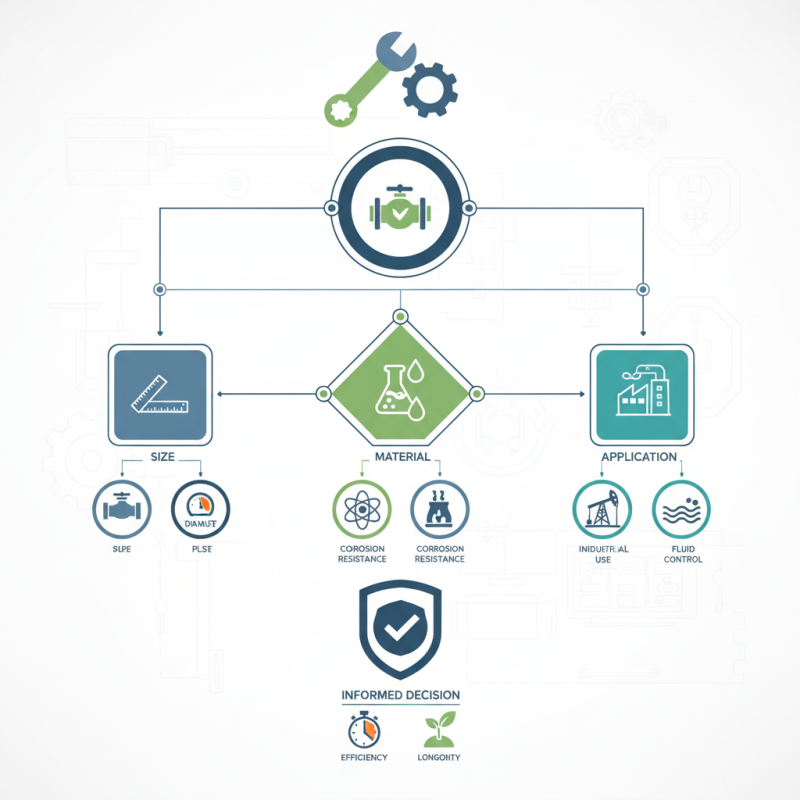
Choosing the right double eccentric butterfly valve is crucial for any project involving fluid control. These valves offer unique advantages, such as reduced torque and improved sealing capabilities. However, selecting the right one can be challenging. Factors such as size, material, and application need to be considered carefully.
When deciding on a double eccentric butterfly valve, it’s essential to assess the application’s specific requirements. There are many options available, and not all of them will meet your needs. Missteps can lead to leaks or mechanical failures. Sometimes, it might feel overwhelming to navigate the numerous specifications and features.
Each industrial setting presents its unique challenges. For instance, the environment may require corrosion-resistant materials. Thus, it’s vital to communicate with suppliers and gather insights. Understanding the limitations of your choices will help in making an informed decision. A thoughtful selection can enhance efficiency and longevity, preventing costly mistakes in the future.
Understanding the Basics of Double Eccentric Butterfly Valves
Double eccentric butterfly valves are widely used in various industries. Understanding their fundamentals is key to making informed choices. These valves feature an offset shaft design. This design reduces seat wear and promotes smoother operation. According to industry reports, double eccentric valves can last up to 25% longer than their concentric counterparts.
When selecting a valve, consider the sealing capability. The double eccentric design offers better sealing performance, especially under high pressure. Research indicates that a well-designed valve can minimize leakage to as low as 0.01%. This is crucial for applications in chemicals and water treatment, where leaks can have severe consequences.
Another factor is the torque requirement. Double eccentric valves typically require less torque to operate. This efficiency can lead to energy savings in the long run. However, it’s important to assess not just performance but also compatibility with existing systems. Some reports suggest that improper fitting can lead to operational failures. Always review the specifications carefully before making a decision.
Key Factors to Consider When Selecting a Double Eccentric Butterfly Valve
Choosing the right double eccentric butterfly valve requires careful consideration of several key factors. First, the application plays a significant role. Think about the fluid type and temperature. For instance, corrosive fluids demand materials resistant to damage. The valve's size should match pipeline specifications. A mismatch can lead to pressure loss or flow issues.
Next, consider the valve's seal type. A resilient seal can prevent leaks, especially under high-pressure conditions. Additionally, actuator compatibility matters. The valve may need manual or automatic operation, affecting your selection. Installation space should also be evaluated; some designs require more room than others.
It’s also essential to ponder maintenance requirements. Some valves have simpler designs that make maintenance easier. Others may have complex parts that complicate repairs. Reflect on the total cost of ownership, not just the initial price. A low-cost valve might incur higher maintenance costs over time. Addressing these factors can lead to better decision-making and improved system performance.
Key Factors to Consider When Selecting a Double Eccentric Butterfly Valve
Material Selection for Durability and Performance
When selecting materials for double eccentric butterfly valves, durability is key. Stainless steel is a popular choice for many applications. It resists corrosion and withstands high pressures. However, not all stainless steel grades are equal. It's essential to pick the right grade for your specific environment.
Another option is cast iron, which offers strength and thermal resistance. But it may not be ideal for aggressive fluids. Consider the fluid type and the operating temperature. Plastic materials can also work well in less demanding scenarios. They are lightweight and resistant to various chemicals. Yet, their longevity might not match that of metal valves.
Pay attention to the valve’s seating materials. They can significantly affect performance. Elastomeric seats provide excellent sealing but may wear out faster. Teflon seats offer greater resistance but could be more expensive. Balancing cost and performance is crucial. Sometimes, manufacturers may not offer clear information. It's wise to ask questions and do research. Your choices impact the valve's life and efficiency.
How to Choose the Right Double Eccentric Butterfly Valve? - Material Selection for Durability and Performance
| Material Type | Corrosion Resistance | Temperature Range | Pressure Rating | Applications |
| Ductile Iron | Good | -20°C to 200°C | 150 psi | Water, Wastewater |
| Stainless Steel | Excellent | -50°C to 400°C | 300 psi | Chemicals, Oil and Gas |
| PVC | Moderate | -10°C to 60°C | 100 psi | Irrigation, Aquaculture |
| Bronze | Good | -20°C to 250°C | 150 psi | Marine and Water applications |
| Carbon Steel | Fair | -20°C to 200°C | 150 psi | Industrial water services |
Matching the Valve Size to Your System Requirements
Choosing the right size for a double eccentric butterfly valve is crucial. It greatly affects system performance. A valve that is too large may create excess turbulence. Conversely, a valve that is too small could restrict flow, leading to pressure drops. These scenarios are not merely theoretical; they can happen in real-world applications.
To determine the ideal size, consider the pipe diameter and the flow rate. Calculating the flow coefficient can provide valuable insights. You should also account for pressure specifications and temperature ranges. Each of these factors influences the valve's effectiveness. Measuring these parameters can feel overwhelming, yet it is necessary for optimal operation.
One common mistake is to overlook the installation environment. Factors such as vibration, humidity, and temperature fluctuations can impact performance. Assessing these conditions early on can prevent future headaches. Take the time to evaluate your system requirements thoroughly. A well-selected valve will save time and resources in the long run. Reflect on your selection process to make informed decisions.
Installation and Maintenance Tips for Optimal Functionality
Proper installation and maintenance of double eccentric butterfly valves are crucial for their long-term functionality. Begin by ensuring the installation area is clean and free of debris. Check for any deformities in the flange surfaces and rectify them before fitting the valve. A smooth connection helps prevent leaks. Tighten the bolts uniformly to avoid unnecessary stress on the valve. Incorrectly installed valves can lead to premature wear, so take your time here.
Regular maintenance is key to keeping these valves operational. Inspect seals for wear and tear at least once a year. Replace damaged seals promptly to prevent leaks. Lubrication should be done according to the manufacturer's recommendations. However, it's easy to overlook this step. Many users neglect to check lubrication until they notice performance issues. This oversight can lead to increased friction and potential failure, so developing a maintenance schedule might help.
Finally, testing the valve after installation is often skipped. Users might feel assured only by visual checks. However, operational testing reveals hidden issues. Pressurize the system slowly and monitor for leaks. Any irregular sounds during operation should be investigated immediately. Embrace a proactive maintenance approach to ensure the reliability of your double eccentric butterfly valves.

