How to Choose the Right Plastic Injection Mold for Your Project?
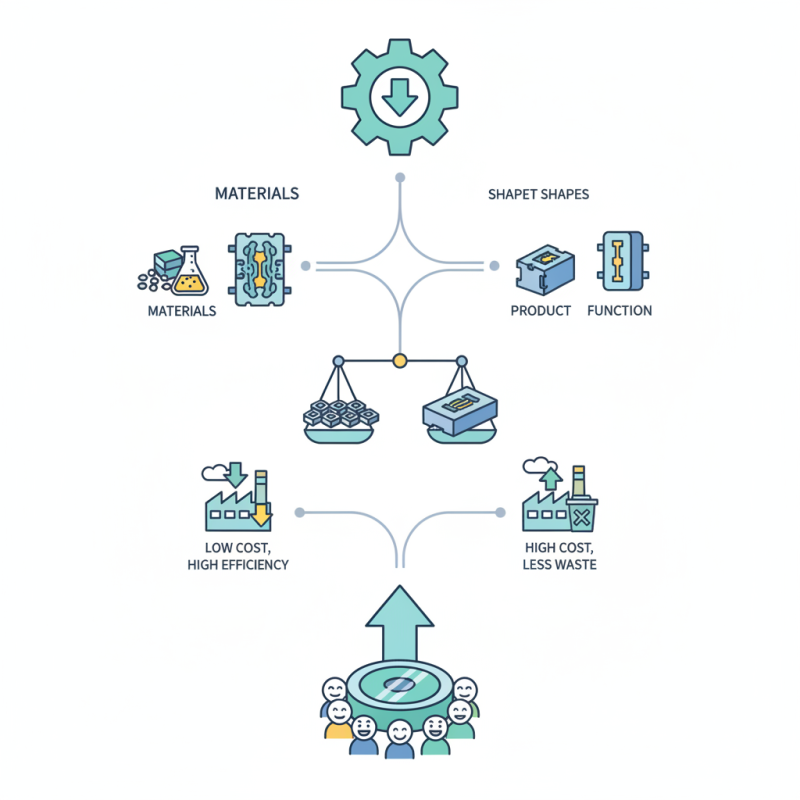
Choosing the right Plastic Injection Mold for your project can be complex. It involves technical details and specific requirements. Understanding your product's purpose is vital. Each mold design can significantly impact production costs and efficiency.
Different materials require distinct molds. The choice can affect the end quality of your product. Overlooking small features in a mold can lead to larger issues in the final output. This is often where beginners struggle. They may underestimate the importance of precision in mold design.
You might also face challenges in matching mold capacity with production needs. A mold that is too small can limit your output. However, a larger mold may lead to increased costs and waste. Hence, careful consideration is crucial. In the end, the success of your project heavily relies on selecting the right Plastic Injection Mold.
Understanding the Basics of Plastic Injection Molding
Plastic injection molding is a key process in manufacturing. It involves injecting molten plastic into a mold to form products. This method is efficient and versatile, making it popular in various industries. Understanding the basics can significantly enhance your project outcomes.
When choosing a plastic injection mold, consider your project’s requirements. The complexity of the design affects the mold type. Simple shapes may use a single cavity mold. More intricate designs often require multi-cavity molds. This increases production but can elevate costs. Always weigh the trade-offs.
Tips: Analyze your expected production volume. Lower runs can benefit from less complex molds. Higher volumes may justify more expensive options. Also, focus on material compatibility. Different plastics behave uniquely during injection. Ensure the mold design aligns with your chosen material.
Keep in mind that imperfections may arise in the process. Variability in temperature or pressure can affect the final product. It is essential to test and refine molds based on initial outputs. Continuous adjustments can yield better results over time.
Identifying Your Project Requirements for Mold Selection
When embarking on a plastic injection molding project, the first step is identifying your material needs. What type of plastic will you use? The choice of resin affects not only the mold design but also the final product's quality. Different plastics respond differently to temperature and pressure. Understanding these properties is crucial. If you overlook this aspect, you risk unnecessary costs and delays.
Next, consider the complexity of your design. A simple part may not require a high-precision mold, while intricate designs do. Think about features such as undercuts or fine details. These elements can significantly increase manufacturing complexity. If you're unsure, consult with a mold designer. Their insights can lead to essential adjustments early in the process. A hurried decision may lead to challenges later.
The volume of production matters too. Are you producing a small batch or planning for mass production? High-volume projects often justify more expensive molds, which are durable and long-lasting. However, for small projects, a less robust option might suffice. Balance cost against quality requirements. The choice you make now will affect future operations.
Exploring Different Types of Injection Molds Available
When selecting an injection mold, understanding the types available is crucial. There are various molds, each with unique characteristics. For instance, single-cavity molds are straightforward. They produce one part per cycle, making them suitable for prototypes or small production runs. However, they may not be efficient for larger projects.
Multi-cavity molds can produce multiple parts at once. They increase production speed but require careful design. The complexity can lead to higher costs and longer lead times. Consideration of material flow is essential. Poor design can create inconsistencies in the final product.
Another option is hot runner molds. They keep the plastic in a molten state, reducing waste. This can save time and material costs. However, maintenance can be challenging. Choosing the right type involves weighing these factors. Each option has its pros and cons. Be prepared to adapt your selection based on specific needs and project goals.
How to Choose the Right Plastic Injection Mold for Your Project?
| Mold Type | Material Used | Applications | Cost Range ($) | Lead Time (Weeks) |
| Custom Mold | Steel or Aluminum | Automotive parts, Consumer goods | 5,000 - 50,000 | 8 - 12 |
| Prototype Mold | Aluminum | Testing and research | 1,000 - 10,000 | 4 - 6 |
| Production Mold | Steel | High volume production | 10,000 - 100,000 | 12 - 16 |
| Stack Mold | Steel | Complex parts, multi-cavity | 20,000 - 200,000 | 16 - 20 |
Evaluating Material Options for Mold Construction
When selecting materials for plastic injection molds, consider your specific project goals. The type of plastic you will use impacts the mold material choice. Different plastics have varying thermal properties, which can affect the mold's durability and performance. For instance, some plastics require molds that can withstand higher temperatures. Others may not demand such a robust material.
Aluminum is often chosen for its lightweight and cost-effective nature. It works well for lower production runs but may wear out quickly with harsher plastics. Steel molds, on the other hand, are more durable and suitable for high-volume production, but they come with a higher initial cost. Balancing cost against durability is essential. It's common to overlook this aspect, leading to unexpected expenses down the line.
Don't forget the complexity of the mold design. Molds with intricate shapes or features may require specific materials for proper functionality. Assessing the compatibility of the mold material with your design is crucial. Some might rush this step, leading to poor results. Always be willing to revisit your choices, as project needs may evolve, and learning from past decisions can improve future outcomes.
Assessing Costs and Timeframes for Mold Production
Choosing the right plastic injection mold is crucial for project success. When assessing costs and timeframes for mold production, various factors come into play. The average cost for mold production ranges from $1,000 to $100,000. This broad range depends on mold complexity and material.
Mold production typically takes 4 to 12 weeks. Depending on your design specifics, this can fluctuate. Complex designs may push timelines longer, impacting overall project deadlines. Monitoring design revisions is vital, as they can lead to unexpected delays and increased costs.
Tips: Always obtain multiple quotes. This can help you gauge a fair market price. Factor in additional costs for design reviews and adjustments. It’s wise to leave room in your budget for unexpected expenses. Don't forget to assess the capability of your chosen manufacturer. A good manufacturer can expedite the process. However, rushing can lead to mistakes that could be costly in the long run.
Keep in mind the importance of clear communication. Misunderstandings can lead to misaligned expectations and delays. Transparency during the early stages can alleviate challenges later. Always ask about their previous projects; case studies can provide useful insights.