Why is CNC Automation Essential for Modern Manufacturing?
CNC automation has transformed the landscape of modern manufacturing. As industries face pressure to enhance efficiency, CNC automation emerges as a crucial solution. According to Dr. Emily Tran, an expert in manufacturing technology, “CNC automation is not just an upgrade; it’s a necessity for competitive production.” This statement highlights the urgency of integrating CNC automation into manufacturing processes.
In an era marked by rapid technological advancement, traditional methods often fall short. CNC automation allows for precision, speed, and consistency. It reduces human error and increases production rates. However, companies must carefully consider the transition. Implementing CNC systems requires investment and training. The challenge lies in finding the right balance between automation and skilled labor.
CNC automation can enhance productivity, but it also raises questions about workforce displacement. Manufacturers must reflect on how to adapt their workforce to these new technologies. While embracing CNC automation, it’s essential to ensure that employees are equipped with the skills needed for this evolving landscape. Properly addressing these issues can lead to a more effective and efficient manufacturing future.
The Definition and Basics of CNC Automation in Manufacturing
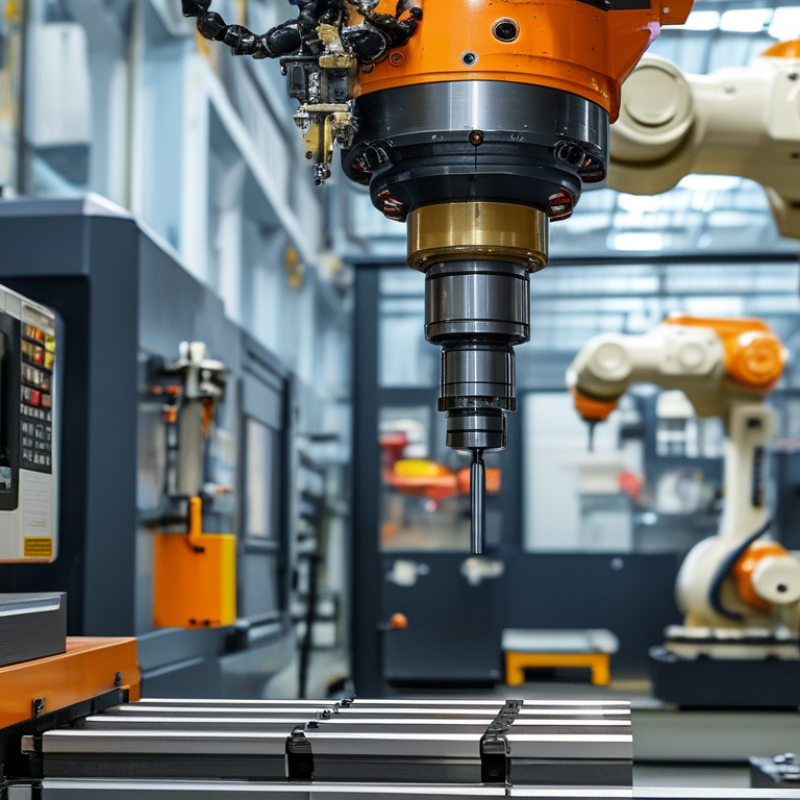
CNC automation stands for Computer Numerical Control automation. It is a process that uses computers to control machine tools. This technology plays a crucial role in modern manufacturing. It allows for precise and repeatable machining processes. Manufacturers can produce high-quality parts with minimal human intervention. Automation reduces human error and enhances productivity.
The basics of CNC automation involve programming machine tools with precise instructions. These instructions dictate the movement and operation of the tools. Commonly used tools include lathes, mills, and routers. Each machine follows a specific code called G-code. This code enables machines to execute complex tasks with accuracy.
While CNC automation brings many benefits, it is not without challenges. Initial setup and programming can be time-consuming. Skilled operators are essential for troubleshooting and optimizing the process. Additionally, relying on automation may lead to reduced hands-on skills in the workforce. As industries evolve, balancing automation with human craftsmanship is necessary.
Key Advantages of Implementing CNC Automation in Production
CNC automation is increasingly vital for modern manufacturing. It enhances precision, reduces waste, and streamlines production processes. According to a report from the International Federation of Robotics, the adoption of CNC machines has led to a 30% increase in productivity for manufacturing facilities. This advancement allows companies to produce more with fewer resources, making them more competitive in a global market.
Cost savings are another key advantage. A study by Deloitte reveals that automation reduces labor costs by about 20-25%. Automation minimizes human error, leading to fewer product defects. In a sector where quality is paramount, any reduction in errors translates to substantial savings and improved customer satisfaction. However, some companies still face barriers in adapting to CNC technology, such as high initial investment costs and the need for skilled operators.
Adapting to CNC automation does present challenges. Some organizations report difficulties in workforce transition, as employees may lack the necessary training. The need for upskilling cannot be overlooked, as a seamless transition is crucial for maximizing efficiency. As companies consider automation, they must weigh the costs against long-term gains. This reflection is essential for a successful integration into production lines.
The Role of CNC Automation in Enhancing Precision and Efficiency
CNC automation is revolutionizing modern manufacturing. By integrating computer numerical control, manufacturers achieve unprecedented precision and efficiency. According to a report by the International Federation of Robotics, CNC machine tools are expected to grow by 7% annually. This growth reflects the increasing reliance on automation for complex engineering tasks.
One significant advantage of CNC automation is its ability to produce intricate designs consistently. Traditional machining can introduce human error, leading to variations in products. In contrast, CNC machines operate with extreme accuracy, often within 0.001 inches. This level of precision enhances product quality, resulting in reduced waste and increased customer satisfaction.
However, reliance on CNC automation isn’t without challenges. The initial investment can be substantial, and not all manufacturers can afford this upgrade. Additionally, there is a learning curve; skilled operators are essential for maintaining and programming these machines effectively. High-quality training programs and ongoing education remain critical to fully harness the potential of CNC automation. As the industry evolves, addressing these challenges becomes vital for maintaining a competitive edge.
Impact of CNC Automation on Labor and Workforce Dynamics
CNC automation is reshaping labor dynamics in modern manufacturing. As machines take over repetitive tasks, the roles of workers are evolving. Employees now focus on oversight and quality control instead of manual operation. This shift demands a different skill set, emphasizing technical expertise over basic labor.
Moreover, CNC automation raises questions about job security. Fears of redundancy loom large as companies prioritize operational efficiency. However, history shows that technology often creates more opportunities. New jobs in programming, maintenance, and data analysis emerge alongside automation. Companies must invest in training programs to equip their workforce for these new roles.
Workforce adaptation is crucial. Some workers may struggle with this transition. Bridging the knowledge gap is essential for those intimidated by tech. Encouraging a culture of continuous learning can help ease these fears. Employers should foster an environment where employees feel supported in their growth. Balancing automation with human input may lead to a more resilient manufacturing landscape.
Future Trends in CNC Automation for the Manufacturing Industry
CNC automation is reshaping the landscape of modern manufacturing. As industries strive for efficiency, the latest trends include advanced technologies like artificial intelligence and machine learning.
Keeping your equipment updated is crucial. Regular training for your operators is equally important. This ensures they fully understand the new technologies. Their insights can optimize performance.
Emphasizing data analytics will provide a clearer view of production metrics.
The integration of IoT (Internet of Things) in CNC systems offers real-time monitoring, enhancing overall productivity. However, challenges remain, such as cybersecurity threats and the need for skilled workers.
Manufacturers must address these issues to leverage automation effectively. Continuous improvement in skills and technology adaptation is vital for staying competitive.