What is a Dc High Pressure Pump and How Does it Work?
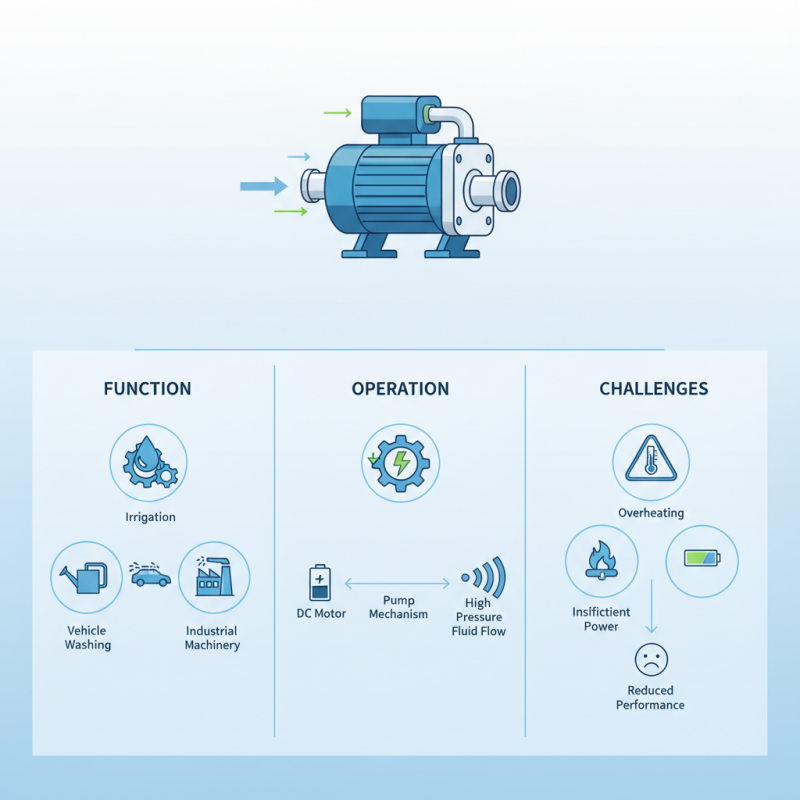
A Dc High Pressure Pump is an essential device in various industries. Its primary function is to move fluids at high pressures with efficiency. Understanding its operation helps in appreciating its role in applications such as irrigation, vehicle washing, and industrial machinery.
These pumps work by converting electrical energy into mechanical energy. They utilize a simple yet effective design that allows for high fluid flow rates. The innovation behind the DC High Pressure Pump ensures reliability and precision in maintaining pressure levels.
However, it's important to recognize potential challenges. Users must be aware of possible overheating or insufficient power supply issues. These factors can impact performance and longevity. Reflecting on these aspects is crucial for optimizing the pump's use and ensuring operational success.
What is a DC High Pressure Pump?
A DC high pressure pump is a type of pump that operates on direct current (DC) power. These pumps are commonly used in applications requiring high pressure and precise flow control. Their design typically incorporates multiple components, including a motor, impeller, and housing, which work together to create pressure.
When the pump is activated, the motor drives the impeller. This impeller spins rapidly, generating centrifugal force. As the impeller moves, it draws fluid into the pump and forces it out at a higher pressure. This process is efficient and reliable for various industries, including automotive, manufacturing, and agriculture. The pumps can be designed for different flow rates and pressure levels, catering to specific needs.
Despite their advantages, DC high pressure pumps come with some challenges. They may overheat if used continuously, and proper cooling is essential. Additionally, their efficiency can be impacted by changes in fluid viscosity or temperature. Understanding these limitations is crucial for effective use. Users should regularly monitor pump performance to ensure proper operation and prevent breakdowns.
Key Components of a DC High Pressure Pump
A DC high-pressure pump is a fascinating piece of machinery. At its core, the pump relies on a few key components to deliver water or another fluid at high pressure. Understanding these parts can help you appreciate its functionality.
One essential component is the motor. The motor converts electrical energy into mechanical energy. This energy drives the impeller, which is responsible for moving the fluid through the pump. The impeller's design directly impacts the pump's efficiency. Another critical element is the housing. This structure contains the impeller and provides a pathway for the fluid.
Seals play a vital role in preventing leaks. They ensure that the fluid remains contained within the pump. If seals fail, pressure drops, and performance suffers. It’s important to regularly inspect them. Finally, pressure gauges serve as indicators of performance. They let operators monitor the system, ensuring everything works as intended. Understanding these components is essential for optimizing performance and longevity.
How DC High Pressure Pumps Generate Pressure
DC high-pressure pumps play a crucial role in various applications, from industrial processes to automotive systems. These pumps generate pressure by converting electrical energy from a direct current (DC) source into mechanical energy. This conversion occurs through a precise arrangement of components, including a motor, impeller, and casing. The impeller’s rotation creates a centrifugal force, pushing fluid through the pump, thereby generating high pressure.
The efficiency of DC high-pressure pumps is significant. Reports indicate that these pumps can achieve pressure levels exceeding 300 bar in certain settings. This capability makes them ideal for tasks requiring precise control over fluid dynamics. Moreover, advancements in motor technology have improved energy consumption, allowing pumps to operate efficiently even under high-stress conditions. The design of these systems often involves rigorous testing to ensure reliability and durability, crucial factors for long-term usage in harsh environments.
However, operating DC high-pressure pumps requires careful monitoring. Issues such as cavitation can arise when pressure fluctuates, leading to potential damage. Regular maintenance and user training are essential for optimizing performance. Pump operators must understand the specific requirements of their applications to avoid miscalculations. Understanding these nuances can lead to better performance and longevity for the pumping systems in use.
Applications of DC High Pressure Pumps in Various Industries
DC high pressure pumps are essential in many industries. They push fluids at high pressures for various applications. One notable application is in water treatment facilities. Here, these pumps are responsible for transferring clean water. They ensure contaminants are effectively removed from the supply.
In agriculture, DC high pressure pumps aid irrigation systems. They enable efficient water delivery to crops, improving yield. Farmers appreciate the precision these pumps offer. Industries like manufacturing rely on these pumps for cooling and cleaning equipment. However, not all pumps work best without maintenance. Regular checks can prevent failures and improve performance.
Another application is in automotive cleaning. These pumps provide the force needed to remove dirt from vehicles. Car wash facilities benefit significantly from this technology. While DC high pressure pumps are reliable, they are not foolproof. Operators must be knowledgeable to ensure safe use and sustainability.
Maintenance Tips for DC High Pressure Pumps
When maintaining DC high pressure pumps, attention to detail is critical. Regular checks help prevent unexpected failures. According to a study by the Hydraulic Institute, proper maintenance can extend the lifespan of pumps by up to 30%. Ignoring small issues may lead to significant breakdowns that require costly repairs.
One crucial maintenance step is to monitor the pump's seals. Worn seals can lead to leaks, impacting performance and efficiency. Checking for unusual noises during operation is also essential. These noises might indicate misalignment or other mechanical issues. The National Association of Pump Manufacturers emphasizes routine inspections every three to six months.
Cleaning filters and screens is vital too. Dirt accumulation can restrict flow and increase pressure. This can lead to premature wear. Keeping the pump clean contributes to better performance. Not all maintenance actions guarantee results. Some issues may persist despite best efforts, reminding us of the need for ongoing evaluation.