What Is a Hydro Jetting Machine Used For?
A Hydro Jetting Machine clears stubborn buildup from drain and sewer lines by sending controlled, high-pressure water through a hose and specialized nozzle. It can remove grease, soap residue, sediment, and some root growth from suitable pipes. In practice, the work may begin with a camera inspection, then proceed with a nozzle selected for the pipe and blockage. Water surges through the line, loosening material that a basic cable snake may leave behind. The result is not simply a temporary hole through debris; it can clean more of the pipe’s inner wall.
Plumbing educator and licensed master plumber Roger Wakefield is a relevant professional voice. I cannot verify a verbatim quote from him about hydro jetting, so this is a practical paraphrase, not a direct quotation: “Choose the cleaning method only after understanding the pipe’s condition.” That caution matters. A cracked, fragile, or poorly maintained line may need assessment before high-pressure cleaning. Not every blockage suits jetting. Pressure, nozzle choice, and operator experience all affect the outcome. A grease-packed kitchen drain presents a different challenge from a line with heavy sediment or invasive roots. For homeowners, property managers, and service professionals, understanding what a Hydro Jetting Machine can—and cannot—do helps set realistic expectations. It is a powerful cleaning tool, not a universal fix. The pipe still has to be sound.
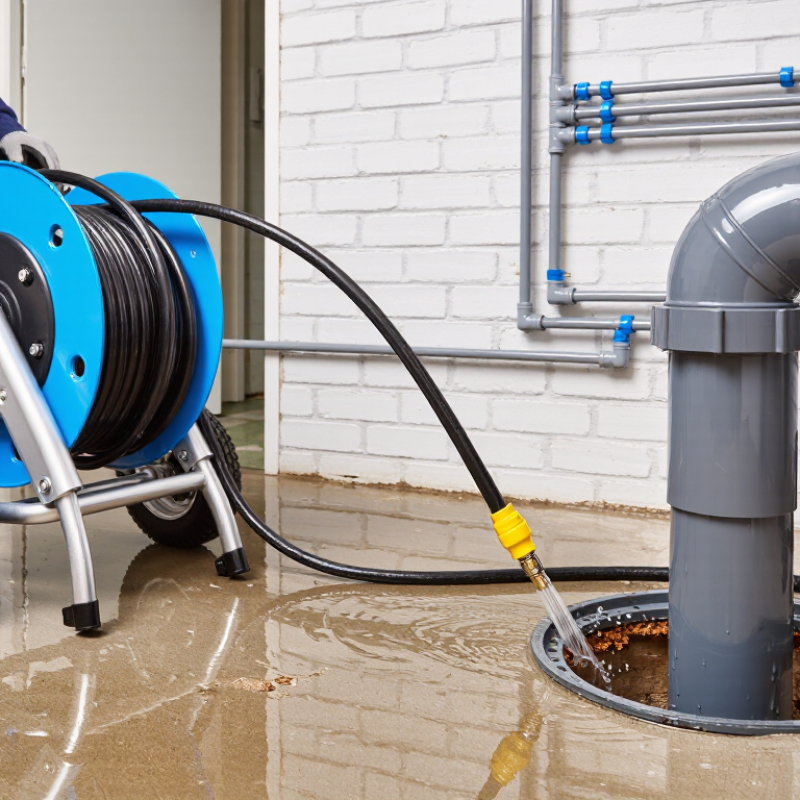
What a Hydro Jetting Machine Is: Typical Operating Pressures of 1,500–4,000 PSI
A hydro jetting machine clears grease, scale, roots, and settled debris from drain and sewer pipes. Its pump pressurizes water and sends it through a reinforced hose to a specialized nozzle. Typical operating pressures range from 1,500 to 4,000 PSI, though equipment and pipe conditions affect the appropriate setting. At the lower end, a jet may loosen soft deposits; higher pressure can tackle tougher buildup. The nozzle’s angle and water flow matter, too. Pressure alone is not the whole story. That matters.
The U.S. Environmental Protection Agency’s 2022 Clean Watersheds Needs Survey estimated $630.1 billion in wastewater infrastructure needs over 20 years. That figure describes broad infrastructure needs, not demand for jetting machines, but it highlights the scale of maintenance challenges. In the field, an operator may inspect a line with a camera, select a suitable nozzle, and adjust pressure as the hose advances. Older or damaged pipes need extra care; a high reading is not automatically better. I still find pressure ratings easy to overread. They do not reveal pipe condition, flow rate, or operator technique.
How Pumps, Hoses, and Nozzles Turn Pressurized Water into Cleaning Force
A hydro jetting machine turns water into a focused cleaning force through three working parts: a pump, a hose, and a nozzle. The pump raises the water pressure and maintains enough flow for the job. The hose carries that water through a drain or along a surface, so its length, condition, and pressure rating matter. A worn hose is not a small detail.
The nozzle shapes the water as it exits. In drain cleaning, rear-facing jets help move the hose forward while flushing grease, loose sediment, and other buildup back toward the access point. Some nozzles also use a forward-facing jet to work through a blockage. The result depends on both pressure and water volume, as well as the pipe’s size and condition. Pressure alone isn’t enough.
This equipment is used to clean drain and sewer lines, and suitable machines can also wash hard surfaces. Operators select the nozzle and settings for the material being cleaned; excessive force can damage fragile or deteriorated pipes. That part deserves respect. I’ve seen the setup sound straightforward in theory, but choosing the wrong nozzle can waste time and leave debris behind. A brief inspection of the hose, fittings, and work area helps catch problems before water is flowing.
What Is a Hydro Jetting Machine Used For? — How Pumps, Hoses, and Nozzles Turn Pressurized Water into Cleaning Force
| Component or use | What it does | How it contributes to cleaning | Typical examples and practical notes |
|---|---|---|---|
| High-pressure pump | Draws in water and delivers it at controlled pressure and flow to the hose. | Supplies the energy that lets nozzle jets loosen deposits and move debris through a pipe. | Machine capacity varies widely. Cleaning results depend on both pressure and water flow, as well as the pipe and blockage. |
| Jetting hose | Carries pressurized water through a flexible line inserted into the drain or pipe. | Allows the nozzle to travel into the line; rear-facing jets commonly help pull the hose forward and rinse loosened material back. | Hose size, length, and pressure rating must match the machine and job. Inspect for wear or damage before use. |
| Forward-jet nozzle | Directs one or more water streams toward material ahead of the nozzle. | Can help open a path through soft blockages and break up some accumulated debris. | The appropriate nozzle depends on the blockage, pipe condition, and machine capacity; it is not suitable for every obstruction. |
| Rear-jet nozzle | Directs water backward, often at an angle to the direction of travel. | Helps propel the nozzle through the pipe and wash loosened material toward an access point. | Commonly used for general drain cleaning. Jet pattern and nozzle size affect performance. |
| Rotating or specialized nozzle | Uses a rotating jet or a pattern designed for a particular cleaning task. | Can provide more targeted wall cleaning for certain deposits, subject to pipe compatibility. | Use only when the nozzle is appropriate for the pipe material, diameter, and condition. |
| Grease and sludge removal | A common application in suitable drain and sewer lines. | Water jets can loosen deposits from pipe walls, while the flow carries suspended material away. | The operator should assess the line and manage wastewater and debris appropriately. |
| Roots and hard obstructions | May require diagnosis and a method chosen for the obstruction and pipe condition. | Jetting can help clear some material, but it may not fully remove heavy root intrusion or solid objects. | A camera inspection or mechanical cutting may be needed. Damaged or fragile pipes require particular care. |
| Safe operation | Requires trained handling of high-pressure equipment and suitable protective measures. | Correct pressure, nozzle selection, and controlled hose handling help reduce the risk of injury or pipe damage. | Never point a jet at people or animals. Follow the equipment instructions, use appropriate PPE, and verify that the pipe can withstand the cleaning method. |
Which Drain Blockages Hydro Jetting Removes: Grease, Scale, Roots, and Sediment
What Is a Hydro Jetting Machine Used For?
Which Drain Blockages Hydro Jetting Removes: Grease, Scale, Roots, and Sediment
A hydro jetting machine sends pressurized water through a drain line to clear buildup from the pipe walls. It can remove kitchen grease that has cooled into a sticky, yellowish layer. The water stream also breaks up soap residue and loose debris. Not every clog responds the same way.
Mineral scale often forms a rough ring inside older pipes, narrowing the passage and catching more waste. A trained technician may use jetting to scour away that deposit, adjusting pressure to suit the pipe’s material and condition. Fine sand and sediment can also be flushed downstream. Before work begins, a camera inspection can reveal fragile joints or existing damage that high-pressure cleaning might worsen.
Roots are more complicated. Jetting can cut small root strands protruding through joints and restore flow, but it does not seal the opening where they entered. They may grow back. That distinction is easy to miss when the drain starts running well again. In practice, the right choice depends on what is blocking the line, its condition, and where the waste can safely discharge. A blockage may need another repair, not simply more water pressure.
How Operators Match Water Pressure and Flow to Pipe Size and Debris
What Is a Hydro Jetting Machine Used For?
How Operators Match Water Pressure and Flow to Pipe Size and Debris
A hydro jetting machine clears buildup from drain and sewer pipes with a focused stream of water. Operators adjust pressure and flow to suit the pipe’s diameter, condition, and blockage. Pressure helps break apart grease, scale, and compacted sediment. Flow carries loosened material downstream. That balance matters. A powerful stream alone may not move debris effectively.
Smaller pipes generally call for careful settings and a suitable nozzle, while larger lines may need greater flow to transport heavier debris. Grease often responds to steady flushing; roots or hardened deposits may require a different nozzle and controlled passes. Operators should consider pipe material and age, too. A camera inspection can reveal cracks or offsets before cleaning. In practice, the right setting is not always obvious at the start, so operators may adjust after observing how water and debris move.
Tips: Confirm the pipe’s size and condition before jetting. Start conservatively, then increase settings only as needed. Keep the nozzle moving, and stop if the line shows signs of damage. Shortcuts can cost more later.
What Is a Hydro Jetting Machine Used For?
Operators use high-pressure water to clear grease, sediment, scale, and other obstructions from drains and sewer pipes. They select pressure and flow according to pipe size, debris, and the pipe’s condition.
Illustrative operating examples: Flow is shown in gallons per minute (GPM) and pressure in pounds per square inch (PSI). These are planning examples, not fixed settings; operators follow equipment ratings and adjust for nozzle choice, pipe material, condition, and blockage.
Where Hydro Jetting Is Used—and When Pipe Damage Requires Another Method
Hydro jetting is used to clear stubborn buildup from drain and sewer pipes. A machine sends water through a hose and specialized nozzle at controlled pressure. The water can scour grease, soap residue, mineral scale, and some roots from pipe walls. It is common in kitchen lines, building drains, and sewer laterals where recurring clogs suggest buildup along a longer stretch. A camera inspection can help locate the blockage and show what the pipe is made of. The distinction matters.
High pressure is not suitable for every pipe. A cracked clay line, badly corroded cast iron, loose joint, or partially collapsed section may be damaged further by jetting. Even a small leak can become more serious when weakened walls take the force of the water. In these cases, a plumber may choose a drain snake, careful spot cleaning, or pipe repair instead. The best method depends on the pipe’s condition, not just the clog.
Jetting can remove small roots, but it cannot seal the opening that let them grow in. That detail is easy to miss. If roots return, or water backs up soon after cleaning, the line may have a structural problem. Ask for a camera check when damage is suspected, and confirm that the pipe can handle the proposed pressure. A strong machine is useful, but it is not a cure for a broken pipe.