What is a Lamination Machine and How Does It Work?
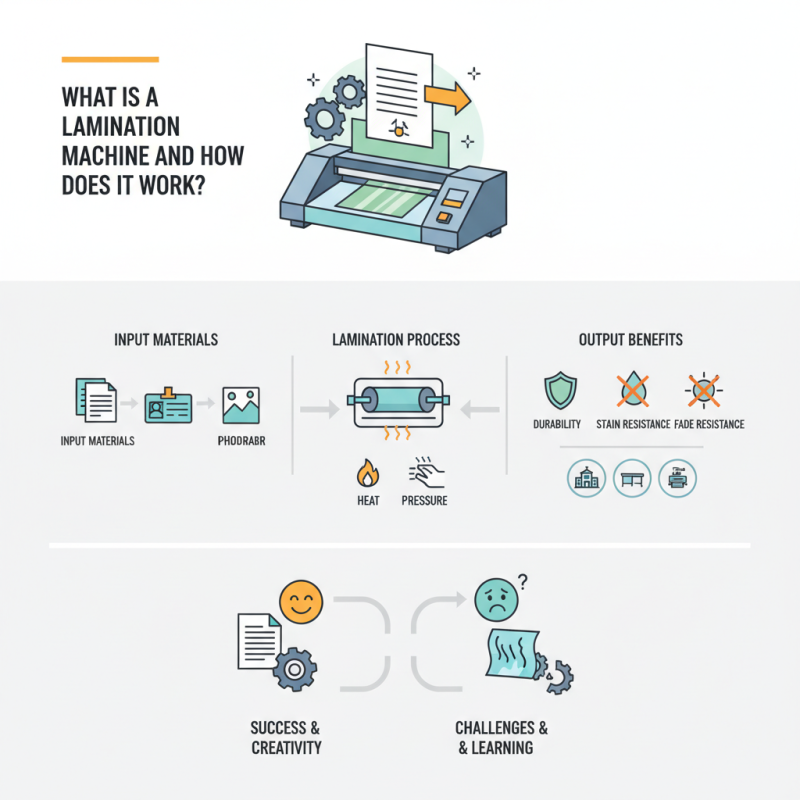
A Lamination Machine is a key tool in various industries. It enhances durability and visual appeal. These machines protect documents, cards, and other materials by applying plastic films. The process involves heating and pressure, which bond the layers securely.
Using a lamination machine can transform ordinary items into sturdy products. Laminated documents resist tears, stains, and fading. This process is commonly found in schools, offices, and print shops. However, not all laminating machines are equal. Choosing the right one can be challenging. Users often face confusion over features and sizes.
Experimenting with different widths and thicknesses can yield surprising results. Improper settings can lead to bubbles or uneven finishes. Learning to adjust the machine is part of the experience. Working with a lamination machine encourages creativity, but mistakes are inevitable. Each failure can provide insights for future projects. The journey of mastering this device is ongoing.
What is a Lamination Machine?
A lamination machine is a device used to protect and enhance documents. It works by applying a thin layer of plastic over paper. This creates a seal that helps to prevent wear and tear. The lamination process preserves important documents like ID cards, photos, and certificates.
Using a lamination machine is generally straightforward. The document is placed between two sheets of plastic film. The machine then uses heat and pressure to bond the layers together. This process can take a few minutes. Sometimes, misalignment can occur, leading to uneven lamination. It requires attention to detail to achieve a perfect finish.
Lamination machines come in different sizes and capabilities. Some are small, suitable for home use. Others are larger and designed for commercial purposes. There are many options, which can be overwhelming. Choosing the right one may take time and research. Users often face challenges like film jamming or uneven sealing. These issues can be frustrating but provide opportunities to learn. Careful adjustments and practice can lead to better results.
Key Components of a Lamination Machine
A lamination machine is essential for protecting important documents. Its key components play a crucial role in its functionality. The machine typically includes a feed tray, heating element, and rollers. Each piece serves a specific purpose, ensuring documents are sealed thoroughly and professionally.
The feed tray holds the document in place as it enters the machine. It guides the paper smoothly, preventing jams and misalignments. The heating element is vital for activating the lamination film. It allows the film to adhere properly to the document. Rollers then apply pressure, ensuring a tight seal. Adjustments may be necessary for different document sizes, which can be a challenge for beginners.
Understanding these components can improve your lamination process. Sometimes, the machine may not heat evenly, leading to imperfect lamination. Watching for bubbles or wrinkles is essential. These flaws can diminish the quality of your work. Experimenting with various settings can help you find the right balance and achieve a more polished finish.
The Lamination Process Explained
Lamination is a process that protects documents and materials by encasing them in a plastic film. This technique enhances durability and appearance. It involves several key steps to achieve the desired finish.
The process begins with selecting the materials to be laminated. A user places the item in the lamination machine, which heats the plastic film. This heat activates the adhesive on the film. The machine then guides the item through rollers. It's crucial for the item to be aligned correctly. Misalignment leads to bubbles and uneven edges.
Once the lamination is complete, users may notice imperfections. Perhaps the edges are not sealed perfectly. Sometimes, the film may peel away. Addressing these issues requires practice and precision. The outcome can significantly depend on the quality of the lamination machine used. Not every attempt will be flawless, so learning from mistakes is essential.
Types of Lamination Techniques
Lamination is a popular method for protecting documents, photos, and other materials. There are several lamination techniques, each serving different needs. Cold lamination is one such method, which uses adhesive film at room temperature. It’s user-friendly and ideal for delicate items.
Hot lamination, on the other hand, involves applying heat and pressure. This technique creates a stronger seal but can be problematic if not monitored carefully. Overheating can cause bubbling or damage to the material being laminated. People often underestimate this risk.
Some techniques also involve encapsulation, which fully surrounds the item in film. This offers maximum protection, but it can be bulky. People find it challenging to store or handle encapsulated items. Each technique has its pros and cons, and understanding these can aid in choosing the right one.
Applications of Lamination in Various Industries
Lamination plays a crucial role in various industries. It enhances durability and provides a protective layer to products. In packaging, laminated materials keep food fresh. They prevent moisture, air, and light from degrading the quality. This ensures customers receive products in optimal condition.
In the printing sector, lamination adds a glossy finish. It makes graphics more vibrant and colors pop. Businesses often use laminated cards for promotions. These cards are more resistant to wear and tear. This durability is beneficial for frequent use.
However, not every lamination process meets industry standards. Some machines may not laminate evenly, leading to bubbles. This can affect the overall appearance of the product. Companies need to invest in quality machines for better results. It’s essential to prioritize this investment for long-term benefits.

