What is a Motorized Valve and How Does It Work?
In the world of automation and control systems, the Motorized Valve stands as a cornerstone. Experts like Dr. John Stevens, a leading authority in fluid dynamics, state, "Motorized Valves enhance precision and efficiency in fluid control." His insight reflects the growing importance of these devices in various industries.
Motorized Valves are not merely mechanical components; they are critical in managing the flow of liquids and gases. They operate through electric actuators that adjust the valve position based on control signals. This technology reduces human error and increases system reliability. However, the complexity of installation and programming can be daunting.
While the benefits are clear, the imperfections are equally significant. Not all systems may integrate well with Motorized Valves. Misalignment and unoptimized settings can lead to inefficiencies. It's essential to reflect on these challenges to enhance performance. Embracing the potential of Motorized Valves requires careful consideration and ongoing adjustments.
What is a Motorized Valve?
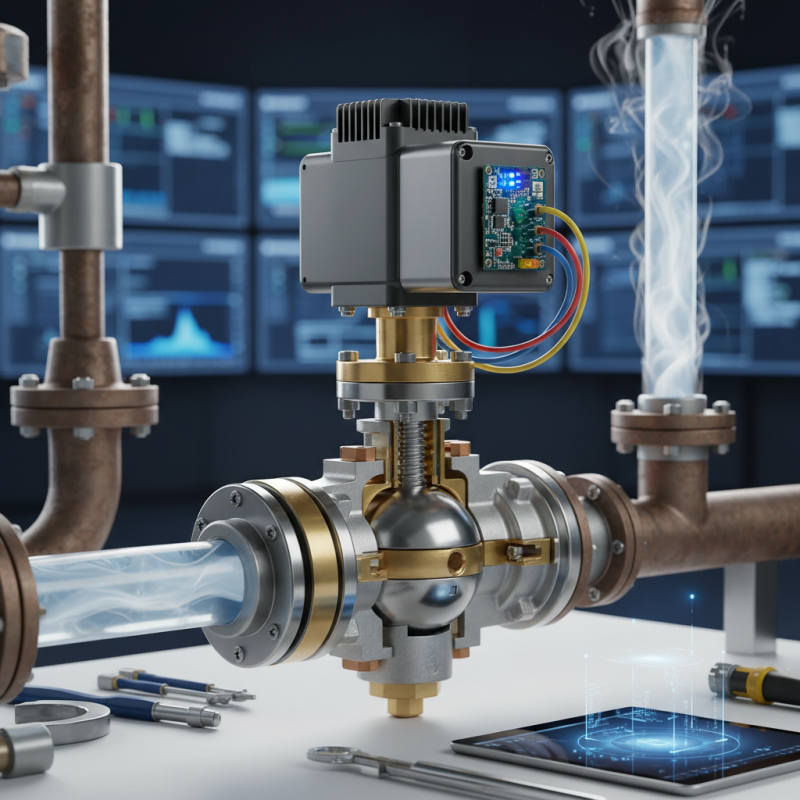
A motorized valve is a device that automatically controls the flow of liquids or gases. It integrates a valve with an actuator, allowing for precise regulation. When the actuator receives a signal, it opens or closes the valve accordingly. This feature enhances efficiency in various systems.
Typically, motorized valves can be found in heating, ventilation, and air conditioning (HVAC) systems. They play a crucial role in maintaining temperature and airflow. You can encounter these valves in irrigation systems, too. However, complexity can arise in installation. Incorrect setup may lead to inefficiencies.
Design choices can affect performance. For instance, a valve that is too large might not close properly. Similarly, a poorly selected actuator could lead to slow response time. Troubleshooting these issues often requires experience. It's essential to assess needs before purchasing.
Key Components of Motorized Valves
Motorized valves are essential in controlling fluid flow in various applications. Understanding their key components can help ensure efficiency and reliability. A motorized valve typically includes an actuator, a valve body, and necessary sensors. The actuator drives the valve open or closed. It converts electrical energy into mechanical movement. The valve body houses the flow passage and seals.
A well-functioning actuator is crucial. It may vary in design—electric, pneumatic, or hydraulic. Each type has its own strengths and weaknesses. For instance, electric actuators are often easier to control but can be slower. Pneumatic actuators are faster but require a compressed air source. The choice depends on the specific application.
Sensors also play a vital role. They provide feedback about the valve position. This information is critical for automated systems. It helps maintain the desired flow rate. However, if sensors fail, it can lead to errors. Regular maintenance is necessary to mitigate such risks.
Tips: Always check the compatibility of components before installation. Use lubricants on moving parts to extend their lifespan. Be cautious of extreme temperatures, as they can affect valve performance. Proper understanding of these components can enhance the efficiency of your system.
What is a Motorized Valve and How Does It Work? - Key Components of Motorized Valves
| Component | Function | Material | Typical Applications |
| Actuator | Controls the opening and closing of the valve | Aluminum or Plastic | HVAC systems, water control |
| Valve Body | Houses all moving parts and controls fluid flow | Brass, Stainless Steel | Industrial applications, pipelines |
| Seals | Prevents leaks and maintains pressure | Rubber, PTFE | Chemical process, water treatment |
| Gear Mechanism | Converts motor rotation to valve positioning | Steel, Nylon | Automation systems, robotics |
| Control Signal Input | Receives signals from control systems to actuate | Copper wiring | Smart buildings, remote control systems |
How Motorized Valves Operate Mechanically
Motorized valves play a critical role in fluid control systems across various industries. Understanding how they operate mechanically can provide insights into their efficiency and reliability. These valves use an electric actuator to automate the opening and closing process. This mechanism simplifies fluid management, reducing the need for manual intervention.
The actuator, often a stepper motor or a servo motor, converts electrical energy into mechanical motion. When a signal is sent, the motor rotates a screw or lever connected to the valve. This action adjusts the valve position, allowing precise control of flow rates. Reports indicate that motorized valves can achieve control accuracy of over 95%. This high level of precision is essential in applications such as HVAC systems and chemical processing.
However, it’s important to recognize that mechanical failures can occur. For example, the actuator may jam or the gears might wear down. Regular maintenance is crucial to prevent these issues and extend the lifespan of the valve. Industry data shows that neglected motorized valves can lead to increased operational costs, emphasizing the need for proactive care. Automation promises efficiency, but operators must remain vigilant.
Applications of Motorized Valves in Various Industries
Motorized valves play a crucial role across various industries. They automate flow control in systems that require precise adjustments. In HVAC systems, for example, these valves help maintain optimal temperatures. According to a recent report, nearly 40% of energy consumption in buildings is due to heating and cooling. Employing motorized valves can significantly enhance efficiency, potentially reducing energy usage by up to 20%.
In the water treatment sector, motorized valves are essential for managing flow rates. They ensure contaminants are effectively filtered before reaching consumers. With increasing global water scarcity, the need for efficient water management is critical. Studies indicate that up to 80% of wastewater can be treated using optimized systems that include motorized valves. These technologies can help minimize water waste and improve resource sustainability.
However, challenges remain in implementation. Many facilities face issues with valve compatibility and maintenance. A report highlighted that over 30% of motorized valves fail within the first three years due to improper installation. This raises concerns about the need for better training and standardization in valve operations. Investing in ongoing education can mitigate these risks, ensuring that industries reap the full benefits of motorized valves.
Benefits and Limitations of Using Motorized Valves
Motorized valves are essential in controlling fluid flow in various systems. They offer significant benefits, making many tasks easier. One major advantage is automation. Motorized valves can operate without human intervention, improving efficiency. This is especially useful in large systems where manual operation is impractical. Automation saves time and reduces labor costs.
However, motorized valves also come with limitations. They require a reliable power source. If there’s a power failure, the valve may not operate. This can disrupt the entire system, causing delays. Additionally, maintenance is vital. Regular checks ensure they function properly. Neglecting this can lead to failures, resulting in costly repairs.
While motorized valves bring many conveniences, users must weigh these against potential risks. Over-reliance may lead to complacency in system management. It's essential to understand their limitations deeply. Careful monitoring and maintenance can maximize their benefits.

