Essential Tips for Choosing the Right Shale Shaker Screen?
Choosing the right shale shaker screen is crucial in drilling operations. In the oil and gas industry, screens play a significant role in separating valuable resources from waste. According to a recent report by the Energy Information Administration, the right screen type can improve drilling efficiency by up to 30%.
Selecting a shale shaker screen involves understanding needs and local conditions. Filters must adapt to various drilling fluids and rock formations. Many operators overlook this aspect, leading to increased downtime and costs. Reports indicate that improper screen choices can result in a 15% reduction in production.
Attention to details is essential. The mesh size, material durability, and screen geometry affect performance. Neglecting proper research might lead to disappointing results. In a competitive market, such mistakes can hinder success. Always consider your unique drilling environment when evaluating options.
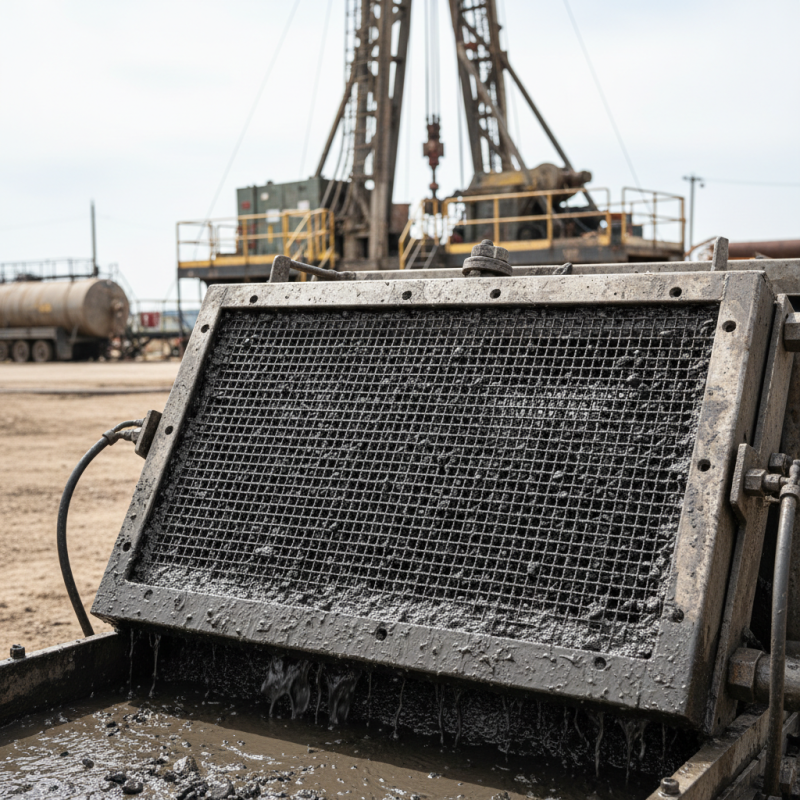
Understanding Shale Shaker Screens: Types and Applications
Shale shaker screens are essential in the drilling process. They differentiate between usable drilling fluid and solid waste. Understanding the type of screen is key to optimizing performance. There are various types, including metal mesh, composite, and rigid screens. Each type serves a unique function based on the drilling environment.
Metal mesh screens are durable and often used in harsh conditions. They can handle high flow rates, but may not be as effective in fine separation. Composite screens are lightweight and flexible. They provide good separation capabilities but might wear out faster. Choosing the right screen involves considering the specific drilling application.
It's easy to overlook the importance of screen maintenance. A neglected screen can cause workflow disruptions. Regularly inspecting for wear can save time and costs. Sometimes, a less expensive screen might actually outperform a premium one in certain conditions. Reflecting on these factors can greatly influence operational success.
Essential Tips for Choosing the Right Shale Shaker Screen
| Screen Type | Application | Mesh Size | Material | Durability |
| Composite | Oil & Gas | 60 - 200 mesh | Plastic/Metal | High |
| Steel | Mining | 30 - 100 mesh | Steel | Moderate |
| Hook Strip | Trenching | 50 - 150 mesh | Metal | Very High |
| Pyramid | Civil Construction | 20 - 80 mesh | Composite | High |
Key Factors in Selecting Shale Shaker Screens for Optimal Performance
When selecting shale shaker screens, several key factors influence optimal performance. The screen's mesh configuration is critical. A finer mesh captures smaller particles but may also slow down the flow rate. A study by the Society of Petroleum Engineers indicates that a balance between mesh size and throughput is vital for efficiency.
Material durability plays a significant role. Steel and composite screens offer different longevity and performance characteristics. According to industry reports, composite screens have shown improved wear resistance, extending their life span by up to 30%. This is crucial for reducing downtime and maintenance costs.
Here are some tips for choosing the right screen:
- Consider the drilling conditions. Harsh environments require more robust materials.
- Evaluate the particle size distribution of your drilling fluid. This helps in selecting the appropriate mesh.
- Analyze the screen's opening area. A larger area allows better fluid flow, enhancing overall efficiency.
Keeping these factors in mind could lead to better decision-making. Yet, many overlook the importance of
testing before a full commitment. Engaging in trials can reveal shortcomings in the selected screens. Always reflect on performance metrics to ensure optimal functioning.
Material Considerations for Durability and Efficiency of Shaker Screens
When selecting a shale shaker screen, material choice is crucial. Different materials affect durability and efficiency. Many screens use steel, but high-quality composites are becoming popular. Steel may corrode under harsh conditions. Composite materials often last longer and provide better performance. Choosing the right material can reduce replacement costs over time.
Durability is not just about material. It involves design and manufacturing techniques. Screens need to endure severe vibrations and heavy loads. A poorly constructed screen may fail early, causing expensive downtime. Check for reinforcement and proper mesh sizing. A mismatch in specifications can lead to inefficiencies. Regular inspections are vital. Small tears can turn into bigger problems quickly.
Efficiency is also about how screens perform under varying conditions. Not every material is suited for every application. Be aware of the specific environment where the shaker will operate. The weight of materials, the size, and the type of solids being processed all play a role. Understanding these factors can lead to smarter choices. Getting this right can make all the difference in overall performance.
Evaluating Mesh Sizes and Their Impact on Drilling Fluid Recovery
Choosing the right mesh size for shale shaker screens is crucial. Mesh size affects the efficiency of drilling fluid recovery. If the mesh is too fine, it can clog easily. This leads to a decrease in flow rate and fluid loss. Conversely, a mesh that is too coarse may allow too many solids to pass through, compromising the quality of the drilling fluid.
Evaluating the specific requirements of your drilling operation is key. Consider the type of formation and the size of particulates involved. Sometimes, miners forget to adapt their mesh sizes to different conditions. This oversight can lead to inefficient drilling and increased costs. It's essential to strike a balance between filtration and fluid recovery.
In practice, testing various mesh sizes can provide valuable insights. Monitor how changes impact fluid properties and solids removal. You may find that the “perfect” mesh size varies throughout your project. Continuous evaluation and adjustment based on real-time results keep operations optimized. Remember, there is always room for improvement in the selection of shale shaker screens.
Industry Standards and Specifications for Shale Shaker Screens
When selecting a shale shaker screen, understanding industry standards is crucial. These standards dictate key specifications such as mesh size and durability. Mesh size affects the separation of solids from fluids. A finer mesh captures smaller particles, improving fluid quality but may lead to blinding issues. Operators need to balance this trade-off.
Another important specification is the material quality. Common materials include stainless steel and specialized alloys. Each material offers different resistance to wear and tear. Over time, some may degrade faster under harsh conditions. Analyzing the working environment helps in choosing the right material.
Weight and size also impact screen performance. A screen too heavy can be difficult to handle during replacements. Conversely, a lightweight option may not offer the necessary strength. Evaluating these factors can lead to better outcomes. Some users may overlook the importance of testing screens in real conditions. Inconsistent performance can indicate the need for further research.

