How to Troubleshoot an Overflow Valve Block Issue?
When dealing with hydraulic systems, an issue can arise with the Overflow Valve Block. This component plays a crucial role in regulating pressure. A malfunctioning overflow valve can lead to system failures and costly repairs. Understanding how to troubleshoot this problem is essential for achieving optimal performance.
Many challenges exist when diagnosing issues with the Overflow Valve Block. It may seem straightforward, yet hidden factors can complicate the process. For instance, a buildup of debris or internal wear can lead to malfunction. These situations often require a thorough examination and keen observation.
Even experienced technicians may overlook simple signs. A leaking or noisy valve might go unnoticed, contributing to bigger problems. It's vital to remain vigilant and approach troubleshooting with a critical mindset. Continuous learning and adaptation will enhance your troubleshooting skills. By prioritizing regular maintenance, you can significantly reduce issues related to the Overflow Valve Block.
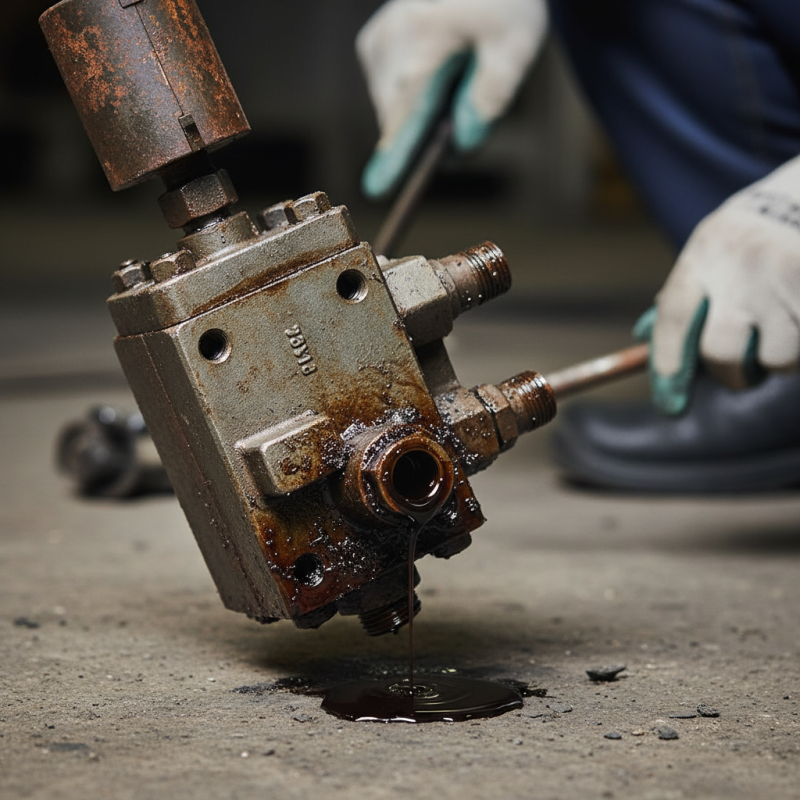
Understanding the Function of an Overflow Valve Block
An overflow valve block plays a critical role in hydraulic systems. Its primary function is to manage pressure levels, preventing damage from excess pressure. When functioning correctly, it releases fluid to maintain safe operating conditions. However, issues with this component can lead to serious operational problems.
Understanding how it works is key. It typically consists of a spool or poppet that opens under high pressure. The design allows excess fluid to divert away from the system. Regular maintenance is essential. Check for debris that can cause sticking. Look for signs of wear that might affect its operation. Dealing with leaks can also be a challenge, as they may indicate deeper issues.
Testing the valve block involves monitoring pressure readings. Unusual fluctuations can point to underlying problems. Take the time to observe the system closely. Does it respond as expected? These small details can reveal significant issues. Sometimes, it might be necessary to disassemble the block for a thorough inspection. Don't overlook the possibility of minor inaccuracies leading to significant malfunctions.
Identifying Common Symptoms of Overflow Valve Block Issues
Identifying overflow valve block issues can be crucial for equipment performance. When an overflow valve is blocked, symptoms can manifest in various ways. One common sign is a significant pressure drop. For instance, a pressure decrease of over 15% can indicate a valve obstruction. This pressure change often leads to operational inefficiencies.
Another symptom is erratic flow rates. If flow fluctuates unexpectedly, this may be a direct result of a block. Research from industry reports highlights that 30% of valve-related problems stem from obstructions. Additionally, unusual noises or vibrations can be alarming. Equipment should operate quietly, so any abnormal sounds warrant immediate investigation.
It’s essential to monitor these symptoms closely. Ignoring signs can lead to severe equipment failure. Some operators may overlook minor issues. This oversight can escalate costs and downtime. Regular inspections are vital. Equipment should be checked for blockages routinely to prevent catastrophic failures. Reports suggest that periodic maintenance reduces malfunction rates by up to 40%.
Common Symptoms of Overflow Valve Block Issues
Step-by-Step Diagnosis Process for Overflow Valve Block Problems
Troubleshooting an overflow valve block can be challenging. Start by identifying symptoms. Look for unusual pressures or leaks. A hissing sound may indicate air escaping. Odd movements in connected components could also hint at an issue. These signs often point to a blockage within the valve.
Next, proceed with a thorough inspection. Check for any debris or corrosion in the valve. Use a flashlight to see inside clearly. Sometimes, removing the valve is necessary for a better look. Clean any visible contaminants carefully. If blockage persists, a deeper examination may be needed. Remember, not all problems are immediately obvious.
Finally, consider the system's overall condition. Old or worn parts might contribute to issues. Take notes during the inspection process to track your findings. Sometimes, a second look reveals what was missed. Patience is crucial; effective troubleshooting is detail-oriented.
How to Troubleshoot an Overflow Valve Block Issue? - Step-by-Step Diagnosis Process for Overflow Valve Block Problems
| Step | Diagnosis Action | Expected Outcome | Notes |
| 1 | Inspect physical layout and connections of the valve block | Identify any visible damages or loose connections | Check for leaks or signs of wear |
| 2 | Check for proper pressure levels | Ensure pressure readings are within specifications | Use a calibrated gauge for accurate reading |
| 3 | Test the operation of the valve manually | Confirm that the valve opens and closes properly | Look for obstruction within the valve |
| 4 | Check the control signals to the valve | Verify signal integrity and correctness | Use a multimeter for signal testing |
| 5 | Analyze system for blockages in connected lines | Identify and resolve any blockages | Check for foreign objects or sediment |
Tools and Equipment Needed for Troubleshooting
When troubleshooting an overflow valve block issue, it’s crucial to have the right tools and equipment. Start with basic hand tools like wrenches and screwdrivers. These are often necessary for disassembling components. A multimeter is essential for checking electrical connections. It helps you diagnose if electrical issues are causing the problem. Don’t overlook a pressure gauge. It provides vital data on system pressure.
Next, consider diagnostic software if available. This tool can offer insights into performance problems. An infrared thermometer can help spot temperature irregularities, which may signal a malfunction. Safety gear is also vital. Having gloves and goggles will protect you during the process.
Remember that troubleshooting can be trial and error. Sometimes, the issue isn't what you expect. Always take notes on what you've tried. Reflect on any actions that didn't work. This journal will help in the long run. No one gets it right every time, so be prepared to adjust your approach.
Preventive Measures to Avoid Future Overflow Valve Block Issues
Overflow valve block issues can disrupt operations and cause equipment failure. Preventive measures are crucial to mitigate these risks. Regular inspections play a key role. According to industry reports, 30% of overflow issues stem from inadequate maintenance. Scheduling routine checks can highlight potential blockages before they escalate.
Another important aspect is monitoring fluid quality. Contaminants can lead to valve malfunctions. Implementing filtration systems can reduce this risk. Data suggests that using effective filters can decrease valve failures by up to 25%. Keeping fluid temperatures within specifications helps maintain optimal valve function.
Tips: Use lubrication as necessary. Ensure proper installation to prevent misalignment. If a valve block issue occurs, analyze operational conditions. Reflect on whether the system components were properly maintained. Automation can help track conditions and alerts. This could significantly improve early detection and response times.

