China Top 10 Horizontal Machining Center Manufacturers
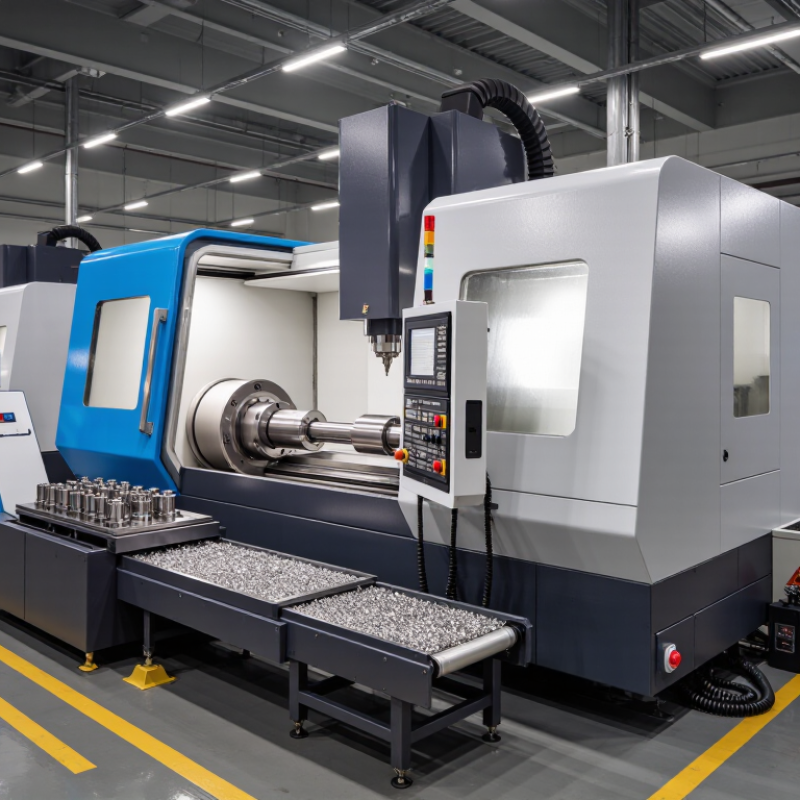
A Horizontal Machining Center can shape complex parts in fewer setups, helping reduce handling time and keep critical features aligned. Its pallet system, spindle, tool magazine, and enclosure all matter on a real shop floor. So do less visible details, such as chip removal, thermal stability, and access for maintenance. Small differences can become costly over long production runs.
China’s machining industry includes manufacturers serving automotive, aerospace, mold-making, and general engineering applications. This guide introduces ten companies for buyers to investigate, rather than presenting a universal ranking. Manufacturer capabilities vary, and product specifications may change. Compare working area, spindle speed and torque, positioning accuracy, control options, and service coverage against your actual parts and cycle requirements. Ask for clear documentation. If possible, review a sample cut or speak with a customer using a similar machine.
A polished brochure is only a starting point. It cannot confirm how a machine performs during a demanding shift, or how quickly support responds when production stops. No shortlist is perfect. Buyers should check certifications, factory capabilities, warranty terms, spare-parts availability, and references before making a decision. This overview aims to make that research more practical, while recognizing that the right choice depends on workload, budget, and local support. Some details still need direct verification. That is worth remembering.
What Defines a Horizontal Machining Center Manufacturer?
A capable horizontal machining center manufacturer does more than assemble a machine. It translates part requirements into stable spindle, pallet, tooling, and control choices. For buyers comparing China’s top ten suppliers, the useful question is not who makes the biggest claims. Ask how the company verifies accuracy, chip evacuation, thermal behavior, and uptime under real cutting conditions. A machine should hold position after repeated pallet changes, not only during a showroom test.
Tips: Request a sample-part trial using your material, cutter, and target cycle time. Check the inspection report, service response, spare-parts plan, and operator training. Ask what happens when tolerance drifts. Small details matter.
Manufacturing depth shows in engineering records, trained assembly staff, calibrated measurement tools, and repeatable final testing. Reliable makers explain limits openly: heavy cuts may need lower speeds, and a compact machine may restrict fixture access. Judge the complete support system, not just the catalogue. No supplier is perfect; even careful testing cannot predict every shop-floor condition. A candid discussion of risks is often more useful than a polished promise.
How China’s Horizontal Machining Center Industry Has Developed
China’s horizontal machining center industry has developed alongside a broader shift toward flexible, automated production. Buyers now look beyond cutting capacity to pallet changes, unattended cycles, and process integration. The shift is practical. An HMC can machine several faces in one setup, reducing handling and alignment errors on heavy housings or transmission parts. Yet results depend on fixtures, tooling, and operator skill—not the machine alone. China Machine Tool & Tool Builders’ Association statistics show that China produced 613,000 metal-cutting machine tools in 2023, up 6.4% year over year. This broad category does not provide an HMC-specific count.
The automation backdrop is also clear. IFR’s World Robotics 2024 report recorded 276,288 industrial robot installations in China during 2023, 51% of the global total. More robots create opportunities for integrated HMC cells, but adoption remains uneven. Chip evacuation, thermal drift, and fixture repeatability still matter during a long overnight run. Not every factory is ready. Some workshops load parts manually and inspect the first piece closely. That can be rational when product mix changes often or machine utilization is low. The industry’s progress is real, but automation alone does not guarantee consistent output.
Criteria for Selecting China’s Leading Manufacturers
Selecting a horizontal machining center manufacturer requires more than comparing spindle speed and table size. Buyers should examine machine rigidity, positioning accuracy, thermal control, and the consistency of test results. Ask for inspection records and sample-part measurements, not just catalog figures. A clean finish on a test cut is useful, but it does not prove long-term stability.
Look closely at how the machine handles your actual workpiece, fixture, and cutting cycle. Check tool-changing time under realistic conditions, chip evacuation around deep pockets, and access for routine maintenance. Request a factory acceptance test using materials and tolerances close to your production needs. Numbers can mislead. A fast spindle may matter less than dependable accuracy across a full shift.
Support deserves equal attention. Confirm which technicians can respond, what spare parts are stocked, and how training is delivered after installation. Ask for references from users with similar workloads, then verify details where possible. Some claims may be hard to compare fairly; that is a reason to ask better questions, not assume the worst. Even experienced buyers can overlook service access until a machine needs repair.
Profiles of 10 Chinese Horizontal Machining Center Manufacturers
China’s horizontal machining center market includes manufacturers with different strengths, from compact production models to heavy-duty platforms. These profiles of ten Chinese manufacturers focus on practical differences buyers can verify: machine structure, spindle options, pallet systems, control compatibility, and service support. Details matter. A clear specification sheet helps, but it cannot replace a test cut or a careful review of installation requirements.
Each profile should explain the intended workload, typical workpiece size, and available configurations. Buyers can compare factors such as table capacity, tool-changing time, positioning accuracy, and access for maintenance. Ask how accuracy is measured and under what conditions. A machine may look impressive on paper yet need extra setup time on a crowded shop floor. That trade-off deserves attention. These profiles offer a starting point, not a substitute for checking current specifications and discussing application details directly with the manufacturer.
Tips: Match the machine’s travel and pallet capacity to your real parts, not your largest hypothetical job. Request sample machining results, clarify local service arrangements, and confirm which options are included in the quoted configuration.
Common Pallet-Size Classes in Horizontal Machining Centers
The chart shows common nominal pallet side-length classes—400 mm, 500 mm, and 630 mm—available across the horizontal machining center market. These are representative size options, not a count of manufacturers or a ranking; availability varies by model.
Products, Capabilities, and Applications of the Top 10 Manufacturers
China’s leading horizontal machining center manufacturers offer equipment for parts that need machining on several faces with fewer setups. Common products include four-axis centers, pallet-changing systems, and larger machines configured for heavy workpieces. Options differ by model, so buyers should check specifications rather than assume every supplier offers the same range.
Capabilities may include automatic tool changers, probing, and integration with production lines. These features support applications in automotive components, pumps, construction machinery, and general precision engineering. A pallet changer can keep one part cutting while an operator loads another. That detail matters on a busy shop floor. Spindle power, travel, tool capacity, and service access should match the actual material and part size. A machine built for large castings may not suit small, high-volume components. Ask for sample-cutting evidence and installation references, not only catalogue figures. Still, a polished brochure is not proof of consistent performance. Some claims need careful checking. Review machining accuracy under realistic conditions, maintenance needs, training, and local technical support before comparing the top ten manufacturers.