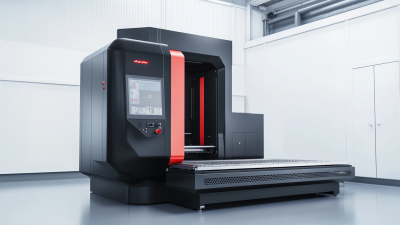
What Is the Best China Desktop CNC Milling Machine?
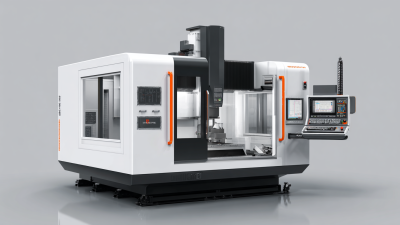
Choosing the best Desktop Cnc Milling Machine depends on your materials, workspace, accuracy requirements, and practical experience. A compact machine may look impressive in photographs, yet its real performance appears during cutting, setup, and repeated production.
This guide examines spindle power, working area, rigidity, control software, noise, maintenance, and after-sales support. These details matter when machining aluminum, hardwood, plastics, or other common materials. A heavier frame can reduce vibration, while a smaller footprint may suit a home workshop. However, greater power does not automatically guarantee better results.
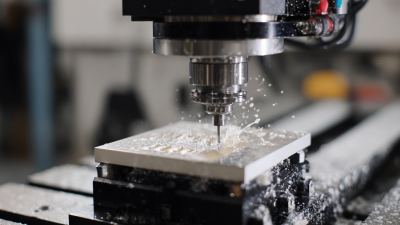
Real users should examine sample cuts, tolerance data, and long-term reliability. A clean aluminum edge tells more than a polished product description. We also consider emergency stops, enclosure design, dust control, and electrical safety. These features support responsible operation and reduce avoidable risks.
The strongest choice may not be the most expensive model. It should match your projects and available skills. Some machines demand frequent calibration. Others sacrifice cutting speed for simpler operation. That trade-off deserves attention.
Our comparison uses manufacturer specifications, practical workshop observations, and publicly available user feedback. Still, no single machine fits every operator. Results can change with tooling, material quality, software settings, and maintenance habits. That limitation is easy to overlook.
If you need dependable prototypes, small production runs, or detailed craftwork, this guide will help narrow the field. Expect useful evidence, not absolute promises. The “best” machine is often the one you can operate safely, maintain consistently, and improve over time.
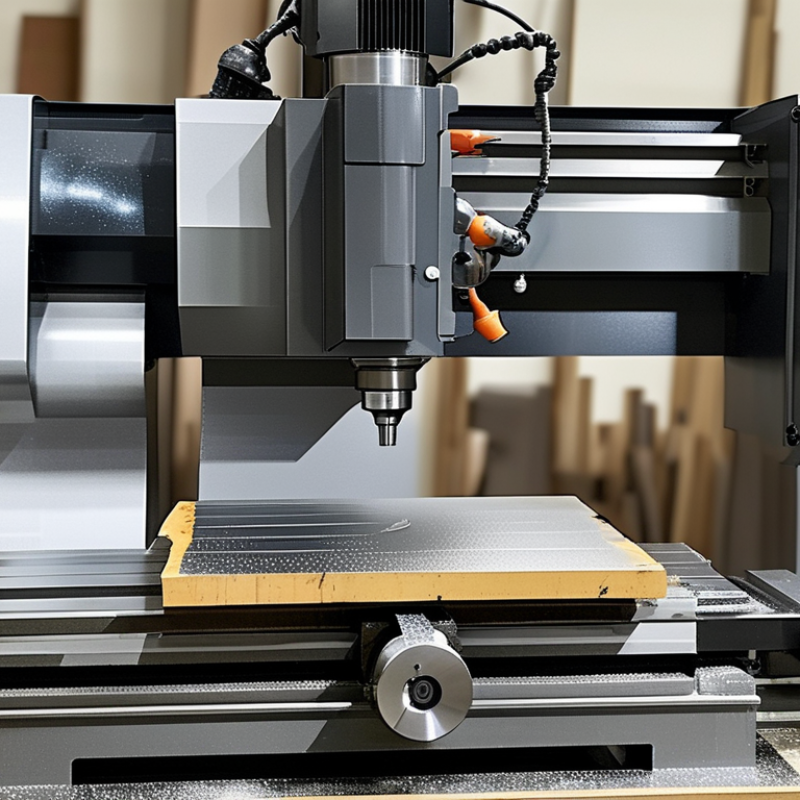
What Defines the Best China Desktop CNC Milling Machine?
The best China desktop CNC milling machine is defined by practical performance, not appearance or advertised power. A rigid cast-metal frame reduces vibration when cutting aluminum or hardwood. During workshop use, I check spindle runout with a dial indicator. Smaller runout usually produces cleaner edges and more consistent holes. A useful desktop machine should also offer repeatable motion, stable stepper motors, and clearly calibrated axes.
Work area matters too. A compact machine may fit beside a laptop, but its table can limit real projects. Measure the required stock before choosing. Look for a reliable control system, simple toolpath compatibility, and accessible replacement parts. An enclosed cutting area is valuable for dust control and safer operation. However, specifications can be incomplete. I would verify them through independent measurements, user reports, and a practical test sample.
Tips:
Test movement at low speed before cutting. Listen for unusual noise. Check whether the emergency stop works immediately. Keep the table clean and the cutting tool sharp. Choose rigidity over flashy speed. A machine that cuts slowly but accurately often saves material, time, and frustration. Do not ignore training or protective equipment. Even a desktop mill needs careful setup, regular inspection, and realistic expectations.
Key Specifications for Comparing Desktop CNC Milling Machines
What Is the Best China Desktop CNC Milling Machine?
Choosing the best China desktop CNC milling machine starts with measurable specifications, not attractive photos. Compare the work envelope first. A compact machine may offer 300 × 200 × 100 millimeters of travel, which suits small aluminum parts. Check the table size, too. A crowded table limits clamping options and wastes usable space. Frame construction matters during cutting. Aluminum can work well, but thicker plates and reinforced gantries usually reduce vibration. Listen for chatter.
Spindle speed and power should match your materials. Wood and plastic need different settings from aluminum. A 500-watt spindle may handle light cuts, while heavier work requires more torque and cooling. Check the stated speed range, collet size, and runout measurement. Lower runout supports cleaner holes and consistent tool paths. Resolution is not the same as accuracy. A controller may advertise tiny steps, yet loose screws can still produce visible errors. Measure actual repeatability across several movements.
My first comparison mistake was trusting maximum speed too much.
Fast travel looked impressive, but rigidity affected the finished surface more. Review acceleration, backlash, emergency-stop access, and enclosure quality. Software compatibility also deserves attention. Test whether the machine accepts common toolpath files without repeated conversion problems. Noise levels, dust management, spare-part access, and technical documentation influence daily reliability. A lower purchase price can become expensive when calibration takes hours or replacement components are unclear. Check the details.
Leading Chinese Desktop CNC Milling Machine Types and Configurations
The best China desktop CNC milling machine depends on the material, workspace, and required accuracy.
Chinese desktop models are commonly offered as three-axis, four-axis, router-style, and enclosed benchtop machines. A compact three-axis mill suits engraving, plastics, wood, and light aluminum work. An enclosed benchtop mill adds better chip control and safer operation.
Some router-style machines provide larger work areas, but their lighter frames may vibrate during metal cutting. For cylindrical parts, a fourth-axis rotary unit can machine multiple sides. It is useful, but it reduces the available work envelope.
Configuration matters more than appearance. A rigid cast or reinforced aluminum frame improves stability. Linear rails and ball screws usually support smoother movement than basic sliding systems. Lead screws cost less, though they may require more adjustment over time. A 500–800 W spindle handles small cutters and non-ferrous materials. Metal cutting needs controlled speed, suitable torque, and careful feed rates. Air cooling is simple; liquid cooling can support longer workloads. Check the real travel distance, not only the advertised table size.
For a small workshop, an enclosed three-axis configuration is often the practical starting point. Add a rotary axis only when the work genuinely needs it. Include dust extraction, chip protection, and an emergency stop.
I would not trust a specification sheet alone. Request cutting samples, spindle runout data, controller details, and support procedures. Some machines look precise but need patient setup.
That is an uncomfortable detail.
Budget for tooling, collets, software, and calibration, not only the machine.
How to Choose a Machine for Materials, Precision, and Workload
What Is the Best China Desktop CNC Milling Machine?
Choosing a desktop CNC milling machine starts with the material, not the advertised spindle speed. Aluminum needs a rigid frame, controlled feed rates, and effective chip removal. Plastics need sharp tooling and lower heat buildup. Wood usually tolerates faster cutting, but dust collection becomes essential. Measure twice.
The 2024 Fortune Business Insights CNC Machine Market report valued the global market at about USD 83.8 billion in 2023. It projects approximately USD 128.9 billion by 2032. This growth reflects wider adoption, but it does not prove that every compact machine offers equal precision. Check the machine’s working envelope, spindle power, linear guides, and table stiffness against your actual parts. A 300 × 180 mm work area may suit small fixtures, yet restrict repeated production.
For precision work, ask how accuracy was tested. ISO 230-2 provides a recognized method for positioning accuracy and repeatability tests. Request test conditions, not only a final number. A claimed 0.01 mm resolution is not the same as 0.01 mm cutting accuracy. I would also inspect backlash, thermal drift, and tool runout after warm-up. Small errors accumulate.
Workload changes the decision. Occasional engraving may need a compact air-cooled spindle and simple maintenance. Daily aluminum milling demands stronger motion components, better cooling, and reliable duty-cycle information. A machine can look excellent on paper and still struggle after two hours. Test your material, tooling, feeds, and fixture before committing. That practical trial may reveal inconvenient limits.
What Is the Best China Desktop CNC Milling Machine?
Choosing a machine by material capability, precision, and workload
The chart uses a practical 0–100 capability index based on typical desktop CNC characteristics:
spindle power and rigidity for material suitability, repeatability for precision, and machine
structure, cooling, and recommended duty cycle for workload. Higher scores indicate a better
fit for demanding applications. Always verify the manufacturer’s specifications before purchase.