7 Tips for Buying a Small Milling Machine?
Choosing a Small Milling Machine is not simply a matter of finding the lowest price. A compact machine must fit your work, workshop, budget, and confidence level. A model that looks capable online may feel restrictive beside a vise, tooling, and a real workpiece. The seven tips in this guide focus on practical buying decisions, not impressive specifications alone.
In my workshop experience, table size and spindle travel often matter sooner than expected. A machine may accept a small cutter, yet struggle with a steel block or awkward clamp position. Check the working envelope carefully. Measure your available bench space, doorways, power supply, and storage area before ordering. Small details become expensive surprises.
The guide also examines rigidity, motor performance, speed control, accuracy, tooling costs, and supplier support. These factors influence cutting quality, noise, maintenance, and learning time. Do not ignore the accessories. A machine with a lower price may need a vise, collets, indicators, and safer guarding before useful work begins. That shortcut can disappear quickly.
Safety remains central. Read the manufacturer’s instructions, wear suitable eye protection, secure the workpiece, and keep loose clothing away from moving parts. Beginners often focus on power first. That is understandable, but control and repeatability may serve them better. No buying guide can remove every compromise. I once valued maximum capacity over rigidity, and that choice was not ideal. Careful comparison, honest measurements, and advice from experienced users can produce a more dependable purchase.
Define Your Milling Needs and Project Requirements
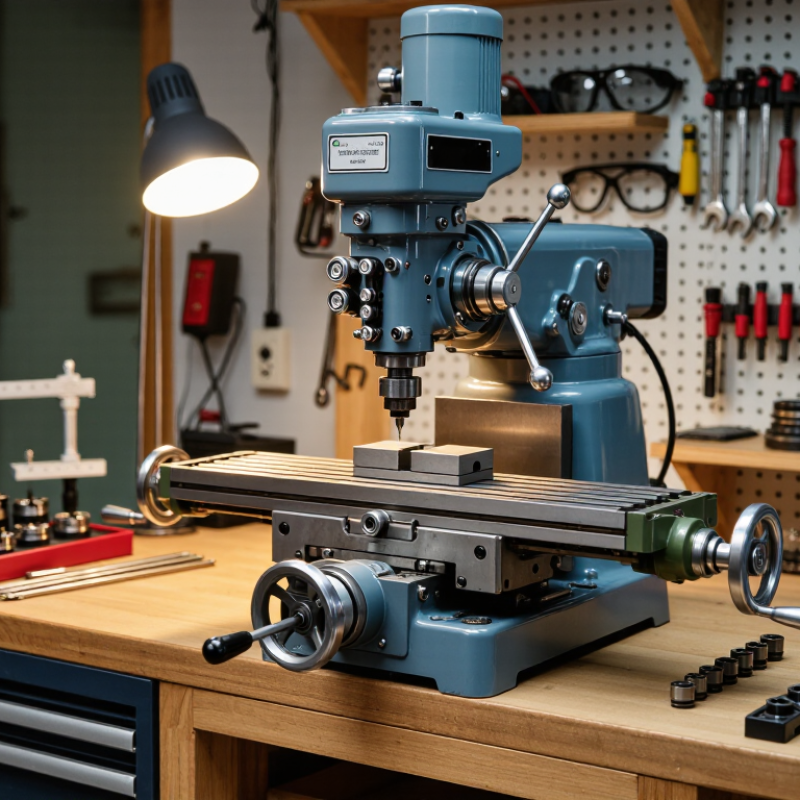
When choosing a small milling machine, start with the work, not the machine. Write down the materials, part sizes, tolerances, and operations you expect to perform. Aluminum brackets need different rigidity and cutting capacity than steel fixtures. Be specific. Measure your largest workpiece, including clamps and the tool holder. Then compare those dimensions with the machine’s usable table travel and working height. Nominal travel can look generous on paper, yet disappear after fixturing.
Decide whether you need drilling, slotting, face milling, or occasional contouring. Your tooling plan matters because collet range, spindle speed, and quill movement affect daily productivity. For metal work, rigidity usually matters more than impressive maximum speed. Check spindle power, taper compatibility, feed control, and runout specifications. If the seller does not publish runout data, ask how it was measured. That answer may reveal more than a polished product photograph.
I once underestimated the space needed around a machine for setup and chip removal. That mistake made routine jobs awkward. Allow room for a vise, measuring tools, lighting, and safe material handling. Also confirm your electrical supply, floor strength, noise tolerance, and maintenance access. Keep a realistic budget for cutters, workholding, inspection equipment, and replacement parts. Some buyers, including me, focus too heavily on initial price. Review three representative projects before deciding, and record the requirements you cannot compromise.
Evaluate Power, Precision, Speed, and Material Capacity
A small milling machine should earn its space through measurable performance. Check motor power first. A 0.75 kW spindle may suit aluminium, plastics, and light cuts, but steel needs more torque. The U.S. Department of Energy reports that motor-driven systems represent a major share of industrial electricity use, so compare rated power with actual efficiency. Tip one: avoid judging capacity by motor wattage alone. Tip two: inspect spindle torque at low speed. Tip three: confirm the machine’s duty cycle.
Precision depends on structure, not promises. Ask for positioning accuracy, repeatability, and backlash measurements. ISO 230-2 provides a recognized method for testing machine-tool positioning performance. Tip four: request test results under load. Tip five: check table movement with a dial indicator. A loose table tells the truth. I would also inspect leadscrews, guideways, and bearing preload, because small errors become visible on tight-fitting parts.
Speed must match the cutter and material. Excessive rpm can damage tools, while low speed may create poor finishes. Tip six: choose variable speed with clear rpm control. Tip seven: verify the spindle’s maximum speed and taper compatibility. A 2024 report from Grand View Research valued the global machine tools market at more than 100 billion dollars, showing a broad equipment sector, but market size does not guarantee suitability. My own caution is simple: published accuracy can change after setup, temperature shifts, or operator adjustment. Leave room for that uncertainty.
7 Tips for Buying a Small Milling Machine: Evaluate Power, Precision, Speed, and Material Capacity
This practical 100-point evaluation model helps compare small milling machines. Precision receives the highest weighting because accuracy directly affects part quality, while power, speed, material capacity, rigidity, work envelope, and safety also influence everyday performance.
Check Construction Quality, Features, Safety, and Maintenance
A small milling machine should feel solid before it ever cuts metal.
Check the frame, column, table, and mounting points for cracks, loose bolts, or thin castings. A rigid structure reduces vibration and helps maintain accurate cuts. Move the table by hand. It should travel smoothly, without gritty spots or sudden resistance. Excessive play in the handwheels may indicate worn leadscrews or poor adjustment.
Examine useful features rather than collecting impressive specifications.
Variable speed control, clear graduations, adjustable stops, and a dependable quill lock can improve daily work. Check the motor’s power against your materials and available electrical supply. More power is not always better. A poorly balanced machine can still chatter. I have previously focused too much on maximum speed and overlooked table movement. That was an expensive lesson.
Safety needs practical attention.
Look for emergency stopping controls, secure belt covers, stable guards, and an accessible power switch. The machine should sit firmly on a level bench, with enough space around moving parts. Keep cutting tools sharp and workpieces clamped tightly. Never hold small stock by hand during milling. Maintenance is equally important. Clean chips from the table and ways after each session, then apply the recommended lubricant lightly. Inspect belts, fasteners, cables, and bearings regularly. Keep a simple service record. I sometimes postpone minor adjustments, and small faults rarely improve by themselves.
Review Total Costs, Accessories, Support, and User Feedback
7 Tips for Buying a Small Milling Machine?
Review Total Costs, Accessories, Support, and User Feedback
The purchase price is only the starting point. Add delivery, taxes, electrical work, setup, and future maintenance. A small machine may also need a sturdy bench. Check its footprint before ordering. Measure doorways, workspaces, and storage areas carefully. I once underestimated accessory costs by nearly one-third. That mistake changed my buying checklist.
Review the included accessories in detail. A basic vise, collets, cutting tools, and measuring equipment can become expensive. Confirm the spindle size and available tooling standards. Check whether replacement belts, bearings, and controls are easy to source. Compatibility matters more than a long accessory list. Some low-cost kits contain tools you may rarely use. That is worth questioning.
Support can determine whether the machine becomes useful or frustrating. Look for clear manuals, technical diagrams, spare-part availability, and realistic response times. Ask how warranty service handles calibration problems. Read user feedback across several forums and review sites. Focus on repeated comments about accuracy, noise, rigidity, and long-term reliability. Ignore extreme praise and harsh complaints without details. A photo of a finished part tells less than measured tolerances. Even experienced users can overlook vibration. Leave room in your budget for learning, adjustments, and a few wrong purchases.