What Are the Top Desktop CNC Milling Machine Types in 2026?
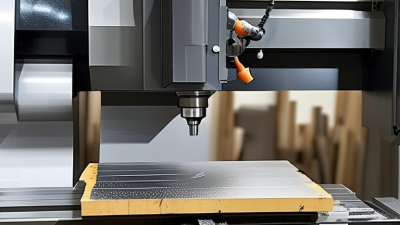
Choosing among the top desktop CNC milling machine types in 2026 requires more than comparing price tags. A Desktop Cnc Milling Machine may look compact, yet its frame, spindle, and motion system determine real performance. A rigid benchtop mill can cut aluminum steadily. A lighter CNC router may suit wood, plastic, and engraved panels better. Hybrid machines offer flexibility, but they may compromise rigidity, accuracy, or serviceability.
The main categories include three-axis benchtop mills, four-axis desktop systems, CNC routers, enclosed micro-mills, and modular machines. Each type serves a different workshop. Three-axis models remain practical for prototypes and small mechanical parts. Four-axis machines simplify work on cylindrical components. Enclosed mills can reduce chips and noise around a small studio. Modular designs are easier to upgrade, though their long-term precision can vary.
Real selection depends on measurable details. Check spindle speed, cutting depth, repeatability, table travel, and controller compatibility. Look closely at the linear rails. Weak rails often reveal themselves through vibration and uneven edges. Consider the materials you will actually machine, not ideal materials listed in advertisements. Aluminum demands more stiffness than plywood. Harder metals require careful tooling, coolant planning, and realistic feed rates.
Some specifications still deserve skepticism. Higher speed does not guarantee cleaner cuts. Bigger work areas can hide flexible frames. Reliable manufacturers publish technical limits and provide clear support documentation. Independent demonstrations are useful, but one successful sample proves little. This guide compares each machine type through practical capability, maintenance demands, safety features, and value. The goal is not to name one universal winner. It is to identify the machine that fits your work, space, budget, and patience.
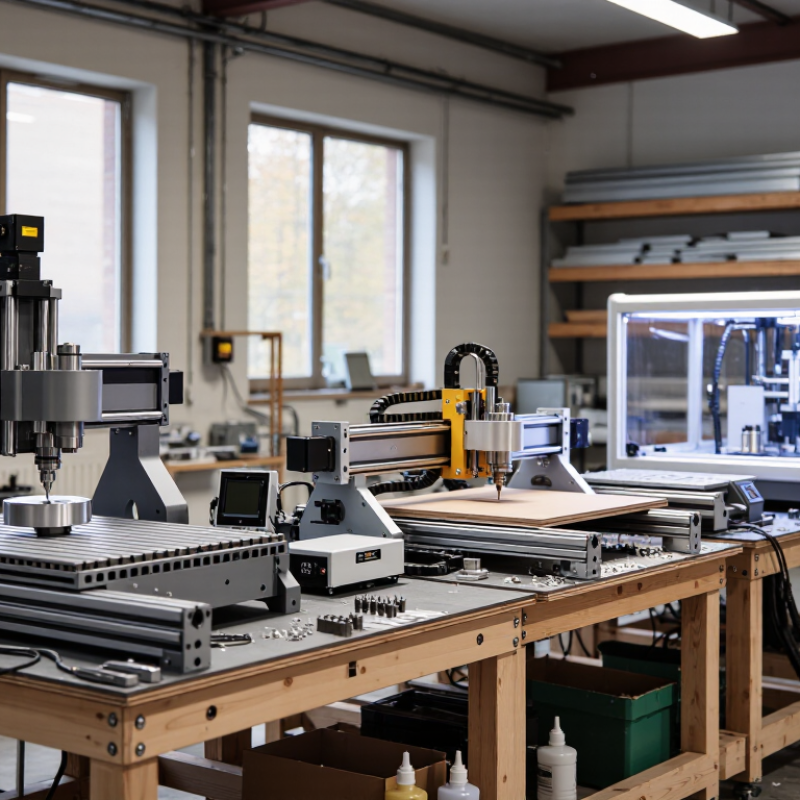
What Defines a Desktop CNC Milling Machine in 2026?
In 2026, a desktop CNC milling machine is defined by capability, not a tabletop label. It normally fits on a sturdy bench, uses a compact work envelope, and accepts digital toolpaths. ISO 2806 describes CNC through numerical control, rather than machine size. Therefore, footprint alone is a weak test. A 40-kilogram machine may still need a rigid stand, dust control, and a dedicated electrical circuit.
Market data shows why this category keeps changing. Grand View Research valued the global CNC machine market at about $83.9 billion in 2023. Its report forecasts roughly 8.5% annual growth through 2030. However, it does not separate desktop machines. That limitation matters. The International Federation of Robotics recorded 541,302 industrial robot installations worldwide in 2023, signaling stronger demand for accessible automation skills. Desktop mills sit near that training and prototyping boundary.
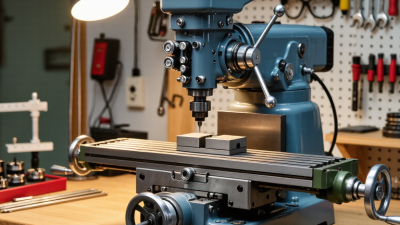
The main types include benchtop mills, micro mills, router-style machines, and compact four-axis systems. Benchtop mills favor aluminum and small steel parts. Router-style models usually offer larger travel but less rigidity. Four-axis machines add rotational access for indexed features. Check spindle runout, frame deflection, travel, workholding, and software support before comparing labels. A claimed metal-cutting rating can be optimistic. I would test a machine with a small aluminum pocket first, then inspect its walls, chips, and surface finish. Safety is part of the definition, too: guarding, emergency stopping, and controlled chip management should be visible, not assumed.
What Are the Top Desktop CNC Milling Machine Types in 2026?
Desktop CNC milling machines are compact, computer-controlled mills designed for benchtop use. The chart compares representative working-envelope volumes for the main machine types available in 2026. Values are calculated from typical X × Y × Z travel dimensions and are intended for category comparison rather than a specific machine specification.
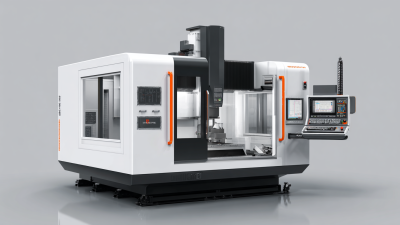
A 3-axis mill is the most common desktop format for plastics, wood, aluminum, prototyping, and education. Rotary 4-axis machines add indexed or continuous workholding for cylindrical and multi-sided parts, while compact 5-axis mills provide better access to complex geometries within a smaller work envelope. A desktop CNC mill is generally defined by its benchtop footprint, enclosed or semi-enclosed work area, digital motion control, and machining capacity suitable for small parts.
How Desktop CNC Milling Machines Are Classified
Desktop CNC milling machines are best classified by architecture, axis count, spindle capability, and intended material. A benchtop three-axis mill moves along X, Y, and Z, making it suitable for plastics, wood, wax, and light aluminum work. Four-axis models add rotary positioning, which helps machine edges and indexed features. Five-axis systems tilt or rotate the workpiece, reducing repeated setups but increasing programming demands.
Size changes everything. A practical classification should include working envelope, table load, spindle speed, and machine mass. A compact unit may fit beside a laptop, yet its frame can flex during aluminum cutting.
The 2024 Grand View Research report valued the global CNC machine market at approximately USD 83.93 billion in 2023, with projected growth of about 7.3% annually through 2030. That figure covers industrial and desktop equipment, so it should not be treated as a desktop-only measurement.
Another useful category is control method. Some machines use manual jogging and basic code input, while others support probing, simulation, and automated tool measurement. The boundary is messy. I would not classify a machine by appearance alone.
In workshop testing, repeatability, backlash, vibration, and chip evacuation often reveal more than advertised axis counts. MarketsandMarkets identifies automation and digital control as major CNC growth drivers, but small-machine buyers still need to verify real cutting performance. A lower-priced three-axis machine can outperform a poorly supported five-axis model.
How Each Machine Type Supports Different Materials and Applications
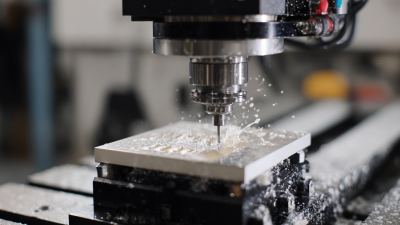
Desktop CNC milling machines differ mainly in movement, rigidity, and cutting control. In workshop use, a compact three-axis mill handles aluminum plates, hardwood, plastics, and wax effectively. It suits brackets, enclosures, molds, and student prototypes. Its fixed workholding keeps setup simple. Steel may be possible, but slow feeds and shallow passes are necessary. Results vary between machines.
A four-axis mill adds rotary movement around the workpiece. This supports shafts, engraved cylinders, impellers, and parts needing access on several faces. It reduces repeated clamping, which can improve alignment. Soft metals and engineering plastics are practical choices. Thick stainless steel can expose the machine’s limits quickly. Rotary setups also consume valuable workspace.
Five-axis machines reach angled surfaces and complex contours with fewer repositioning steps. They support detailed aluminum parts, foam patterns, wood sculptures, wax models, and selected composites. High-speed micro-mills are better suited to small brass parts, circuit-board materials, and fine engraving. I have found that smaller cutters reveal vibration sooner than expected. That assumption needs checking. A machine rated for a material may still produce poor edges without suitable tooling, workholding, and chip removal. Real application results depend on operator experience, maintenance, and conservative cutting tests.
How to Choose the Right Desktop CNC Milling Machine Type
Choosing the right desktop CNC milling machine type starts with your material, part size, and tolerance needs.
A compact three-axis mill suits aluminum brackets, small molds, and detailed prototypes. It offers simpler programming and easier maintenance. A four-axis model adds rotary movement for angled holes and cylindrical parts. It costs more and demands stronger setup skills. Hybrid mill-router machines handle wood, plastics, and light non-ferrous metals, but their flexibility can reduce rigidity during demanding cuts.
Check the machine’s working envelope before comparing advertised power.
Measure your largest planned part, then leave clearance for clamps and tool movement. A rigid frame, low spindle runout, and adjustable speed matter more than impressive marketing numbers. For aluminum, I would examine cutting tests, not only motor ratings. Listen for chatter. It often reveals weak construction faster than a specification sheet.
Your workspace also affects the best choice.
A quiet benchtop mill may fit an apartment workshop, while coolant and chip management can create practical problems. Confirm electrical requirements, software compatibility, replacement tooling, and emergency controls. In early workshop trials, I underestimated workholding space and lost useful travel. That mistake still influences my selections. Start with a simple vise, test cuts, and realistic tolerances. Perfect accuracy is rarely available at every feed rate. The most suitable type is the one you can operate safely, maintain consistently, and improve through measured results.